
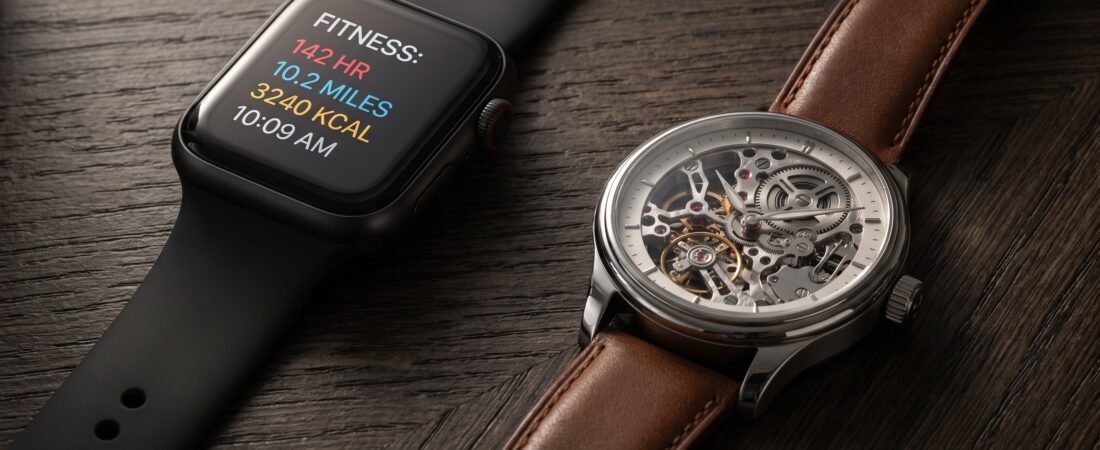
The debate between modern technology and timeless fashion is stronger than ever, making the smartwatch vs traditional watch decision an important choice for daily wear. If you are trying to decide which timepiece deserves a permanent spot on your wrist, this smartwatch vs traditional watch comparison comes down to your lifestyle, professional routine, preferred features, and personal style. Let’s break down the practical pros, cons, and key differences of both options to help you choose the right timepiece. Wearable technology continues to evolve, while traditional watches remain popular for their design, craftsmanship, and simplicity.
The Verdict at a Glance
- Choose a Smartwatch If: You want health and fitness tracking, notifications, reminders, and connected features on your wrist.
- Choose a Traditional Watch If: You value classic design, simple timekeeping, no smartwatch charging routine, and a traditional professional look.
In This Guide
1. Smartwatches: Productivity & Health Trackers in the Smartwatch vs Traditional Watch Debate
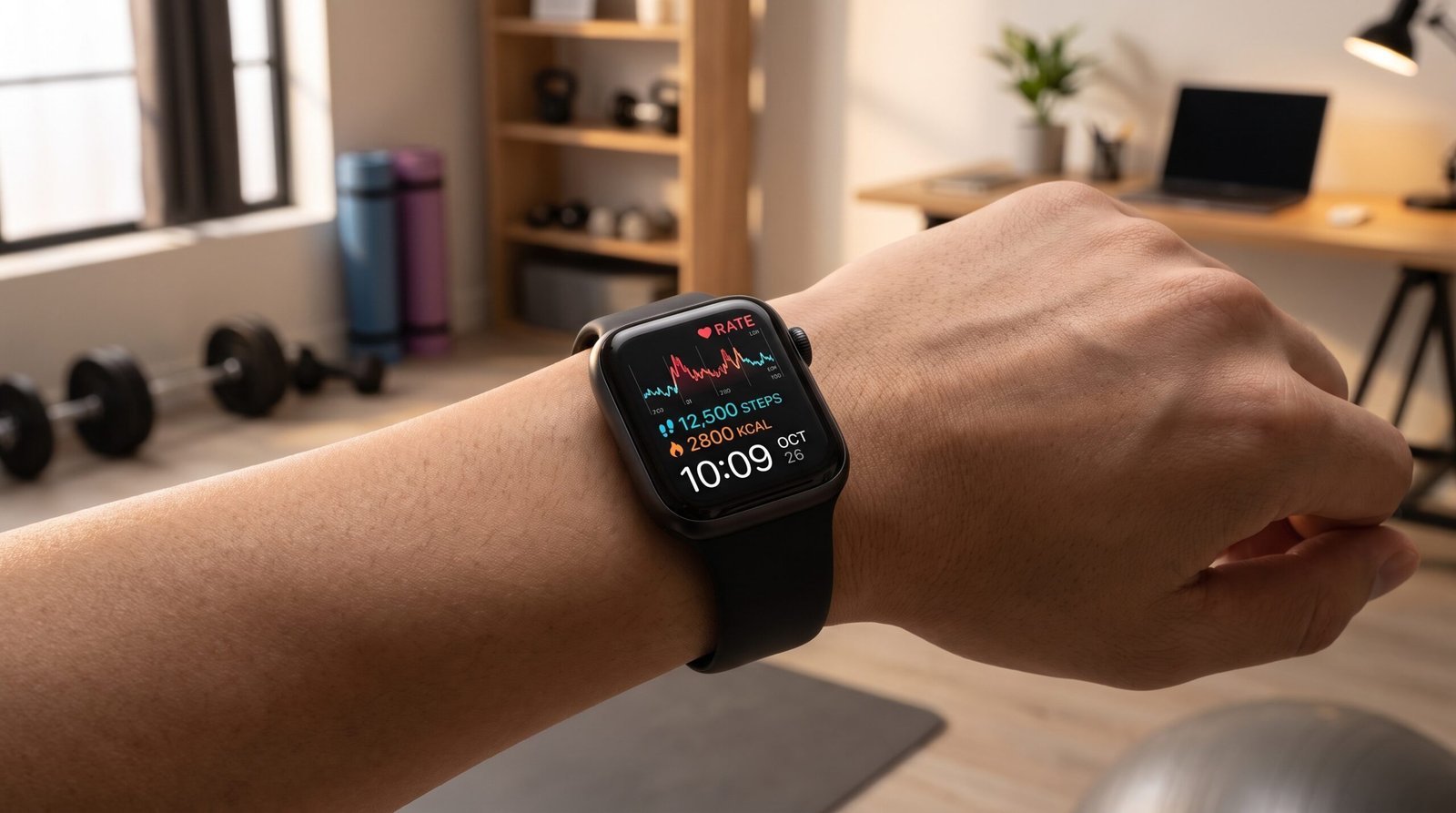
Why you might want one: If you want connectivity, fitness tracking, and notifications on your wrist, a modern smartwatch can provide a wide range of useful features without requiring you to check your phone as often.
Core Benefit: Depending on the model, a smartwatch can track metrics such as heart rate, sleep, daily steps, and workouts while also providing notifications and reminders on the go.
✓ Pros
- Health and fitness metric tracking on supported models
- Call, text, app notifications, and reminders
✕ Cons
- Requires charging at intervals that vary by model and usage
- Frequent notifications can become distracting
2. Traditional Watches: Style & Durability in the Smartwatch vs Traditional Watch Comparison
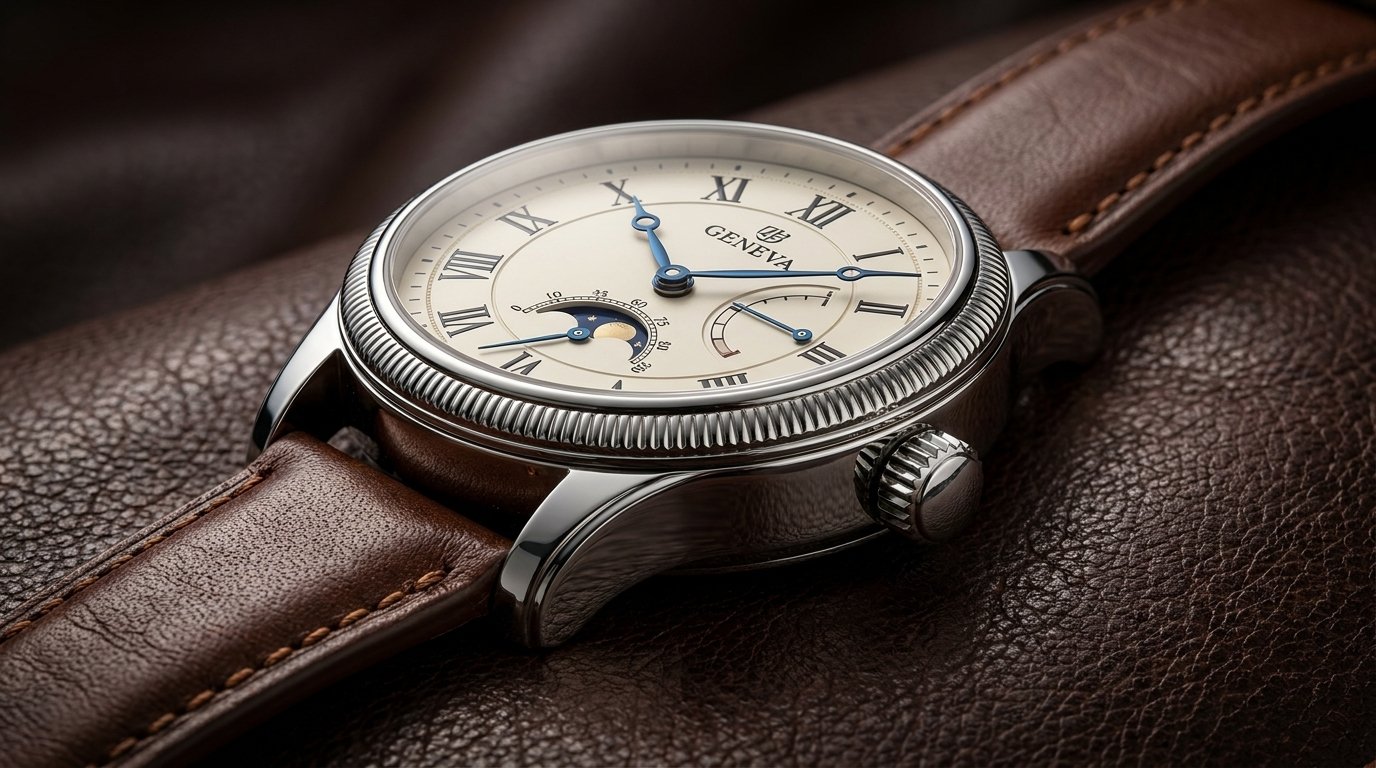
Why you might want one: Mechanical and quartz traditional watches offer classic styling, established watchmaking designs, and a simple way to tell time without a connected operating system.
Core Benefit: Traditional watches do not require smartwatch-style charging, software updates, or notification management, although battery-powered quartz watches will still need battery replacement periodically.
✓ Pros
- No smartwatch-style charging routine
- Classic professional aesthetic for formal and everyday wear
✕ Cons
- Lacks the connected fitness tracking and smart alerts available on smartwatches
Smartwatch vs Traditional Watch Head-to-Head
| Feature | Smartwatch | Traditional Watch |
|---|---|---|
| Primary Focus | Connectivity & Fitness | Craftsmanship & Style |
| Power Source | Rechargeable Battery; frequency varies by model | Automatic or Quartz Battery |
| Office Suitability | Useful for productivity & reminders | Strong choice for classic professional styling |
4. Which One Wins for Daily Office Work in the Smartwatch vs Traditional Watch Rivalry?
For long hours at a corporate desk, a smartwatch can be useful for calendar reminders, notifications, and movement prompts. However, if your workplace or personal style calls for a more traditional professional appearance, a classic watch may be the better fit. The choice ultimately depends on whether connected functionality or simple styling is more important to you.
How We Compare the Two
We compare smartwatches and traditional watches using practical factors rather than assuming one category is always better. Our comparison considers connected features, charging requirements, styling, everyday convenience, and the type of user each option is designed to serve.
- Smart features and connectivity
- Power and charging requirements
- Design and professional wearability
- Everyday convenience and personal preferences
Editorial Note: This is an editorial comparison, not a controlled laboratory test. Features, battery life, prices, software support, and watch specifications can vary by model and may change over time. Check current product details before purchasing.
If you spend long hours working at a desk, make sure to check out our guide on the Best Ergonomic Desk Accessories for practical workspace upgrades.
Frequently Asked Questions
Is a smartwatch better for professional environments than a traditional watch?
It depends on your workplace culture and personal preferences. Smartwatches offer helpful meeting reminders, notifications, and connected features, while traditional watches provide a classic aesthetic that can work well with formal or conservative business attire.
Do traditional watches hold their value better than smartwatches?
It depends heavily on the specific watch. Certain collectible and luxury mechanical watches can retain strong resale value, but this is not true of every traditional watch. Smartwatches can depreciate as newer hardware and software generations are released, so resale value varies by brand, model, condition, and market demand.
Conclusion & Final Verdict
Ultimately, the smartwatch vs traditional watch choice depends on what you value more—connected digital functionality or classic simplicity and style. A smartwatch makes sense for users who want notifications, fitness features, and digital convenience, while a traditional watch can be a better fit for those who prioritize timeless design and a simpler wrist experience. Some people may even prefer having both for different occasions.
Explore Recommended Timepieces ↗Written by Anik
Tech EditorEvaluating minimal workspace essentials, everyday carry gear, and tech accessories at The Few Picks. Our guides use product information, practical comparisons, and clearly stated editorial criteria to help readers make more informed purchasing decisions.