
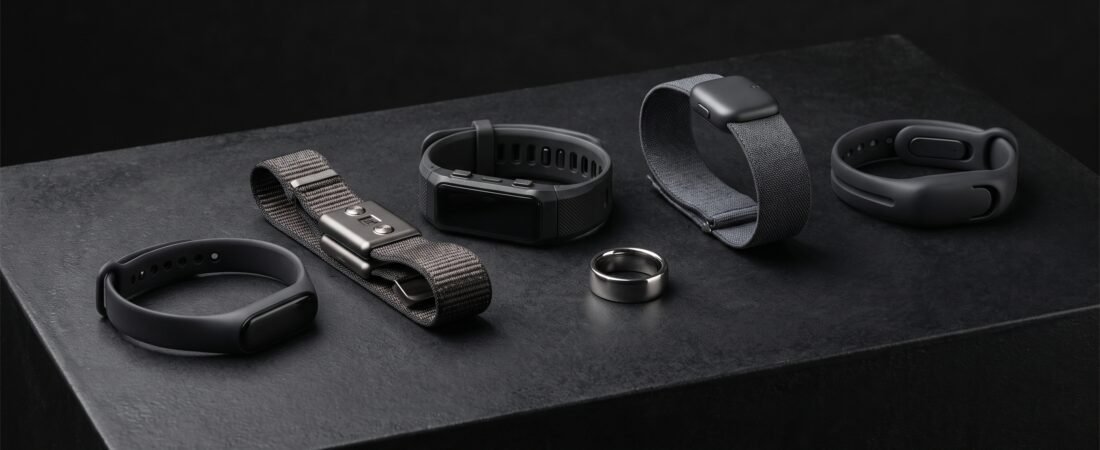
Screenless wearables promise quieter tracking, longer battery life and fewer distractions. But how accurate are the numbers they give you? We looked at heart rate, steps, sleep, HRV, workouts and real-world user experiences.
1. The Accuracy Question Nobody Answers Properly
Screenless fitness trackers have become one of the more interesting developments in wearable technology.
Instead of putting another bright display on your wrist, these devices quietly collect health and fitness data in the background. You check the results later through your phone rather than constantly looking down at a screen.
The appeal is easy to understand.
You get fewer distractions, longer battery life, comfortable overnight tracking and, in some cases, the ability to wear a traditional watch at the same time.
But there is a more important question:
How accurate are they actually?
That question becomes complicated very quickly.
A tracker can perform extremely well when measuring resting heart rate but struggle during rapid intervals. It can count your steps surprisingly closely while still estimating sleep stages imperfectly. And two devices can produce different HRV numbers without either one necessarily being completely wrong.
So instead of asking which tracker is simply “the most accurate,” this guide looks at what each device measures well, where its limitations appear, and who each product actually makes sense for.
Fitness trackers are often described as if accuracy were a single number.
It isn’t.
A wearable can be excellent at overnight heart-rate tracking, very good at counting steps, and less convincing when heart rate changes rapidly during intervals.
The same thing happens with sleep.
A device may be reasonably good at identifying when you went to sleep and when you woke up while being much less certain about exactly how much time you spent in REM, deep or light sleep.
That’s why a useful accuracy review needs to look at several different things.
Accuracy dimensions
- Absolute accuracy: How close is the reading to a credible reference, such as an ECG chest strap or manually counted steps?
- Trend accuracy: Does the device reliably show whether your own numbers are moving up or down?
- Response accuracy: Does the sensor react quickly enough when exercise intensity changes?
- Consistency: Does it behave similarly from day to day?
- Context accuracy: Does it remain useful during different situations such as sleep, walking, strength training, intervals, cycling or swimming?
For everyday health tracking, trend and consistency can sometimes be more useful than chasing a perfectly precise single number.
For serious training, however, response time and agreement with a strong reference become much more important.
2. How We Researched Accuracy
This article doesn’t rely on one review or one test.
The research combines several types of evidence:
- Reference-based testing: Where available, stronger reference methods such as ECG/chest-strap comparisons, manual step counts and other established measurement methods are more useful than simply comparing one consumer wearable with another.
- Independent multi-device testing: Testing multiple trackers under the same conditions can reveal where devices agree and where they diverge.
- Long-term reviews: A device that looks good during a 30-minute review session may behave differently after weeks of real-world use.
- User reports: User reports can help identify potential recurring problems, although they should not be treated as representative scientific evidence.
- Manufacturer claims: Official specifications are useful for understanding features, battery life and intended use, but they are not independent validation.
3. The Screenless Trackers We Looked At
For this guide, we’re looking at:
- Fitbit Air
- WHOOP 5.0
- Garmin CIRQA
- Oura Ring 5
- Amazfit Helio Strap
- Polar Loop
They take slightly different approaches to screen-free health and fitness tracking.
And more importantly, they are aimed at somewhat different users.
4. Fitbit Air
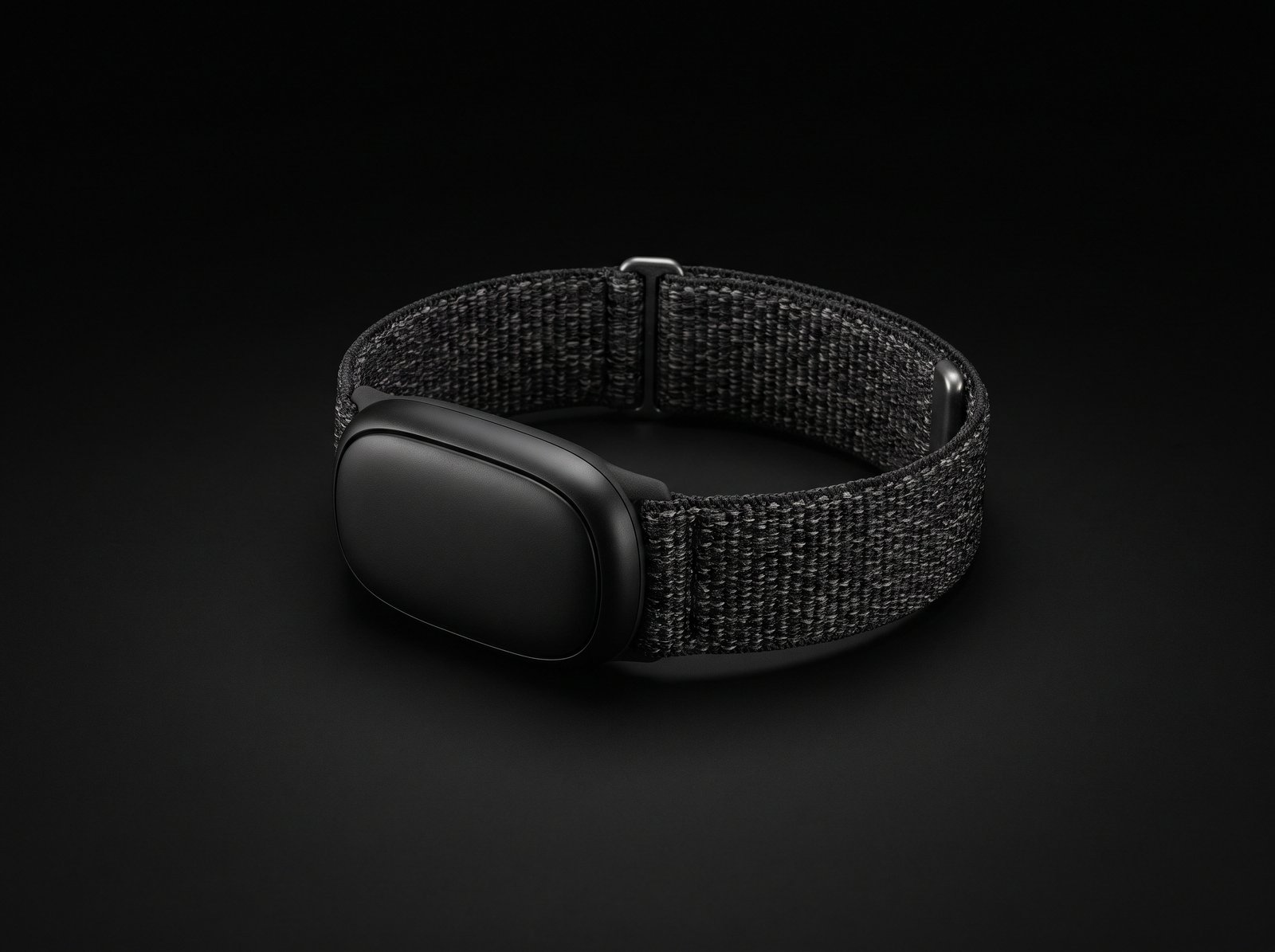
Fitbit Air is a $99.99 screenless tracker designed around passive health and activity tracking.
Google lists up to seven days of battery life, a lightweight 5.2 g device weight without the band, heart-rate tracking, sleep tracking, automatic workout detection and integration with the Google Health app.
The main idea is simplicity.
You wear it, let it collect data throughout the day and check the information later rather than interacting with another screen.
How accurate is Fitbit Air?
Independent testing has produced some encouraging results.
One reviewer manually counted 3,000 steps and recorded approximately 3,004 steps on Fitbit Air.
Heart-rate testing has also produced strong results under certain conditions.
In one independent comparison against a Fourth Frontier ZONE ECG chest strap, Fitbit Air showed a reported bias of approximately +0.5 bpm, with limits of agreement around -6.5 to +7.5 bpm across 689 observations.
That is a strong result for that particular test.
However, other testing has shown limitations.
Workout response can sometimes be slower than ideal, and automatic workout detection isn’t perfect. Early user reports have also included complaints about sleep tracking, although those reports are not representative of the entire user base.
✓ Who Is It For
- Care about everyday heart rate, sleep and activity tracking
- Prefer a lightweight device
- Want relatively long battery life
- Don’t want a required subscription for basic tracking
- Are comfortable checking their data on their phone
✕ Who Should Skip It
- Need onboard GPS
- Want phone-free navigation
- Need a live workout display
- Want highly responsive real-time workout metrics
- Prefer a traditional smartwatch experience
5. WHOOP 5.0
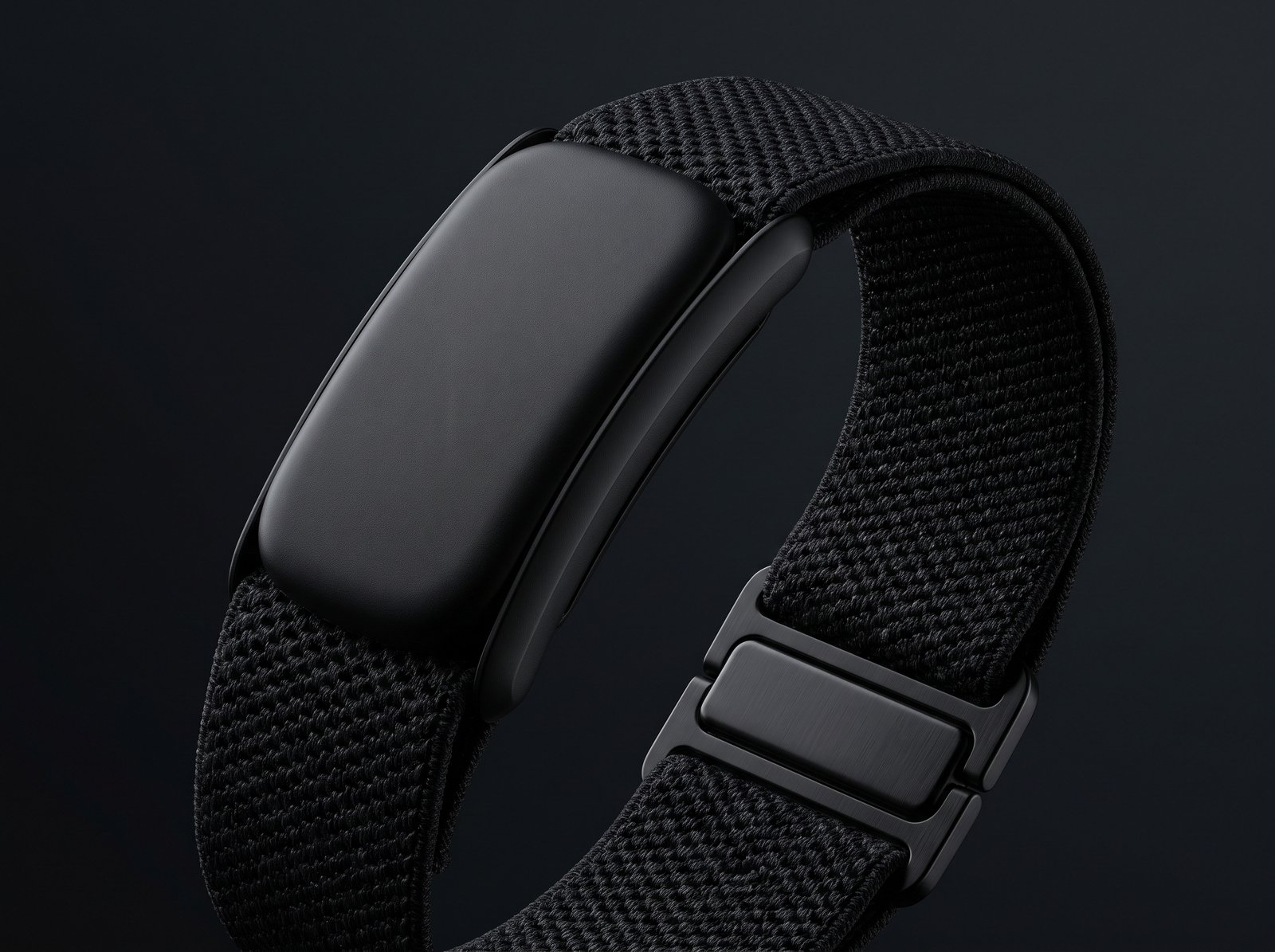
WHOOP takes a different approach.
Rather than functioning like a miniature smartwatch, WHOOP is built around continuous health, recovery and training analytics.
The focus is heavily placed on metrics such as:
- Sleep
- Recovery
- Strain
- Heart rate
- HRV
- Training load
There is also a significant difference in the business model: WHOOP’s deeper experience is tied to membership.
In the U.S., WHOOP membership currently starts at $199 per year with WHOOP One, while Peak is $239 per year and Life is $359 per year. The WHOOP 5.0 device is included with the applicable membership tier.
How accurate is WHOOP?
Independent testing has produced strong heart-rate results in several situations.
Recent testing has found particularly strong agreement in some interval-running and biceps-position comparisons.
However, WHOOP isn’t immune to the same limitations as other optical trackers.
Movement, placement, exercise type and rapid changes in heart rate can all influence results.
The important point is that strong results in one test don’t automatically mean perfect accuracy in every possible situation.
✓ Who Is It For
- Train regularly
- Care deeply about recovery
- Want detailed strain and recovery analytics
- Track sleep closely
- Want continuous health data
- Are comfortable paying for an ongoing membership
✕ Who Should Skip It
- Mainly want basic daily tracking
- Don’t want a recurring membership
- Want a screen on your wrist
- Need phone-free maps or navigation
- Want smartwatch-style calls, payments or notifications
6. Garmin CIRQA
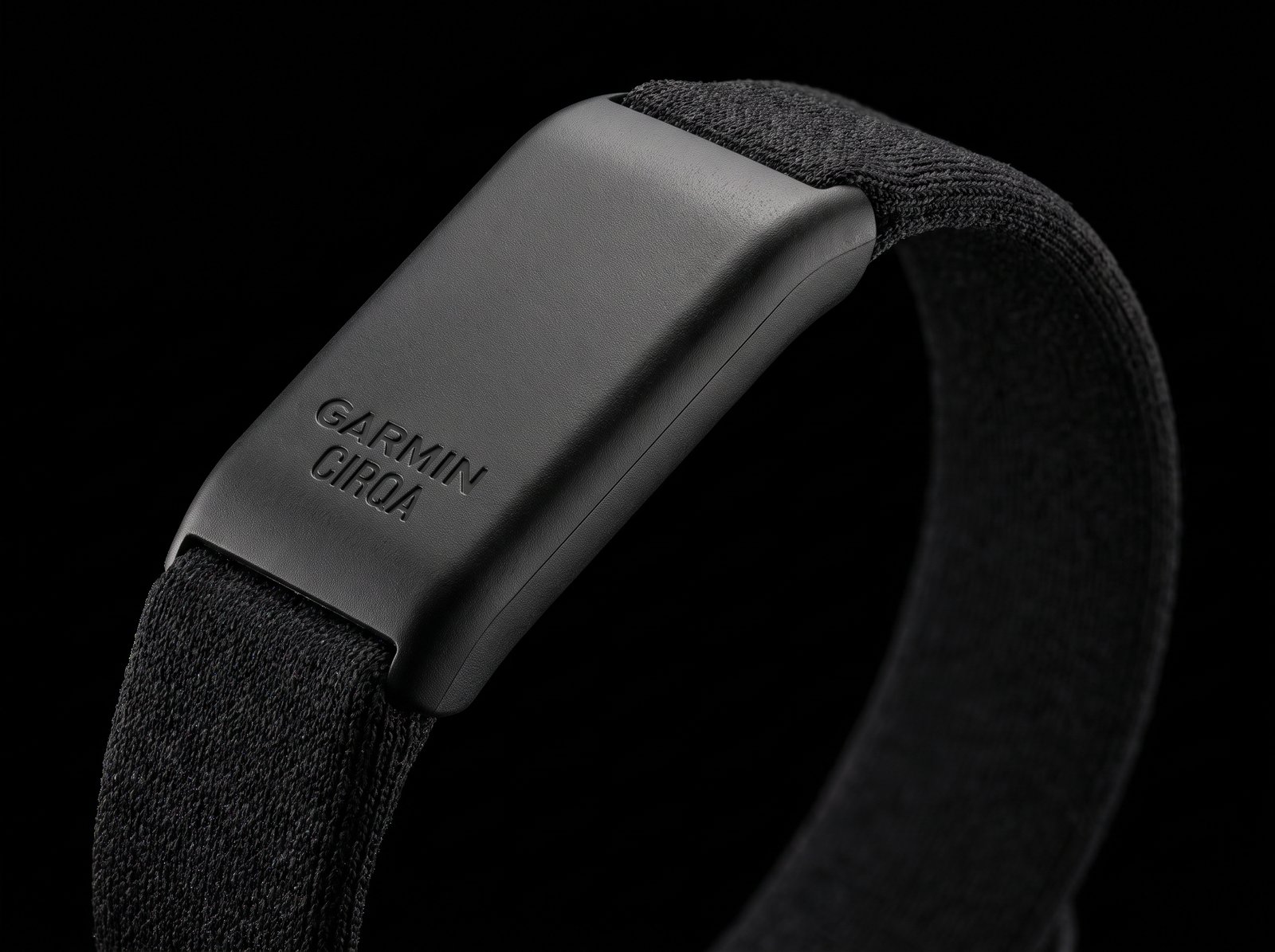
Garmin CIRQA is a $199.99 screen-free health and fitness tracker.
Garmin lists:
- Up to 10 days of battery life
- 24/7 health monitoring
- Sleep tracking
- Training features
- Automatic activity detection
- Connected GPS
- No required subscription
The biggest appeal here is the combination of a screen-free form factor and Garmin’s broader fitness ecosystem.
How accurate is Garmin CIRQA?
Independent testing has shown strong heart-rate performance in several conditions.
Testing has found good results during activities such as:
- Gym circuits
- Yoga
- Outdoor cycling
- Certain steady activities
However, harder situations have exposed limitations.
Rapid running intervals have produced under-reading in some tests, while open-water testing showed substantially larger heart-rate differences.
✓ Who Is It For
- Already like Garmin’s ecosystem
- Want a screen-free device
- Want longer battery life
- Don’t want a required subscription
- Care about fitness and training metrics
- Don’t need a full smartwatch display
✕ Who Should Skip It
- Need highly responsive heart-rate tracking during rapid intervals
- Frequently train in open water
- Want independent GPS without carrying your phone
- Need a screen for live workout information
- Want smartwatch-style interaction
7. Oura Ring 5
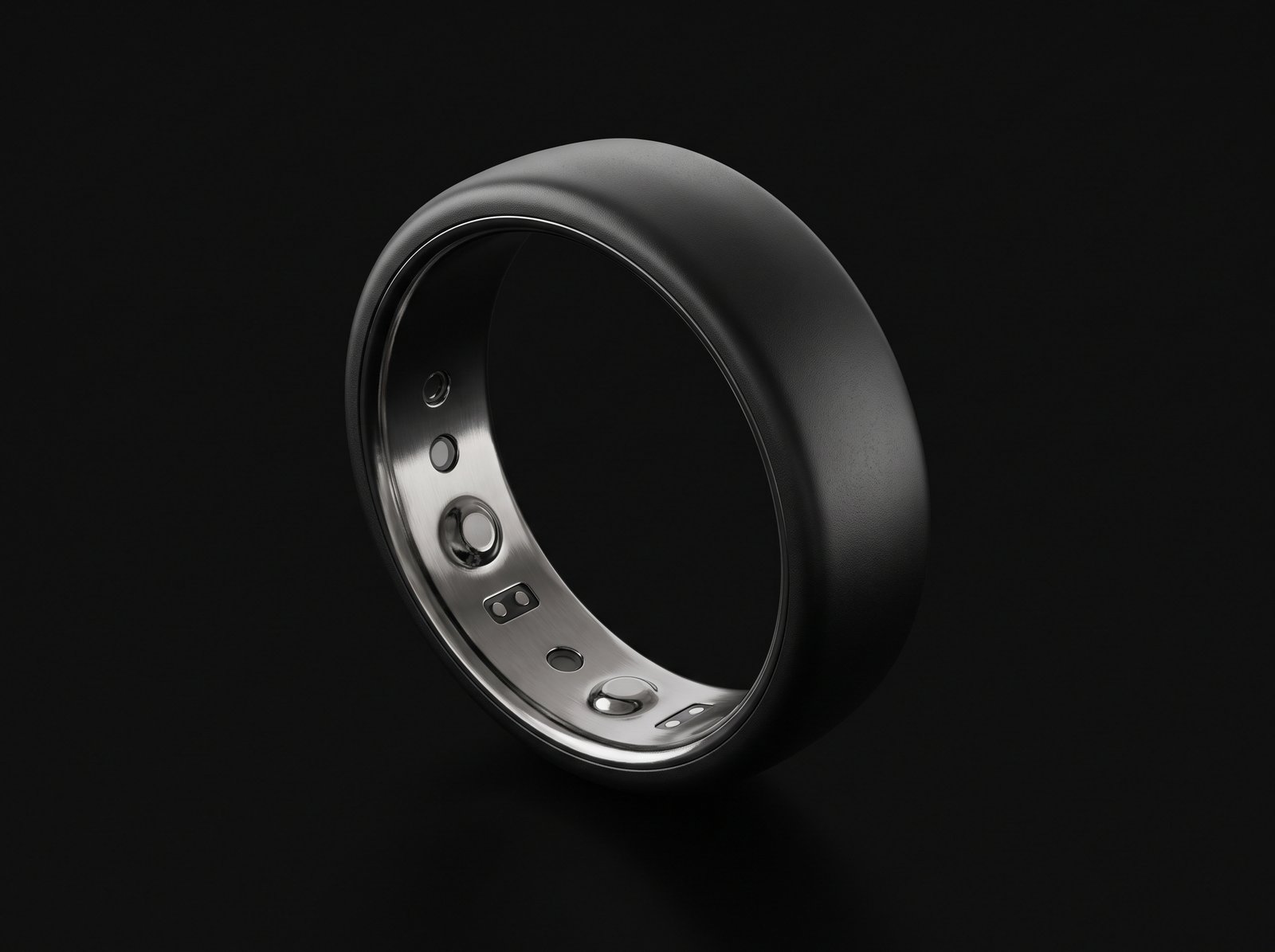
Oura takes a completely different approach.
Instead of a wrist band, it puts its sensors into a small ring.
The Oura Ring 5 starts at $399 in the U.S., with premium finishes priced at $499.
The Oura Ring 5 is heavily focused on:
- Sleep
- Recovery
- Heart rate
- HRV
- Skin temperature
- Long-term health trends
It doesn’t try to replace a smartwatch during workouts.
How accurate is Oura Ring 5?
Previous-generation Oura validation and independent testing have generally shown strong overnight heart-rate and HRV performance.
However, there is an important distinction:
Some published validation evidence relates to earlier Oura generations rather than specifically the Ring 5.
That means older validation results should not automatically be treated as Ring 5-specific clinical validation.
Sleep staging and dynamic exercise remain more difficult areas for consumer wearables in general.
✓ Who Is It For
- Care heavily about sleep
- Want recovery and long-term health trends
- Prefer a discreet device
- Don’t like wearing a wrist band
- Want something designed for 24/7 wear
- Don’t need live workout information
✕ Who Should Skip It
- Want live workout statistics
- Need GPS navigation
- Want a display
- Need phone-free workout controls
- Prefer a traditional fitness watch
8. Amazfit Helio Strap
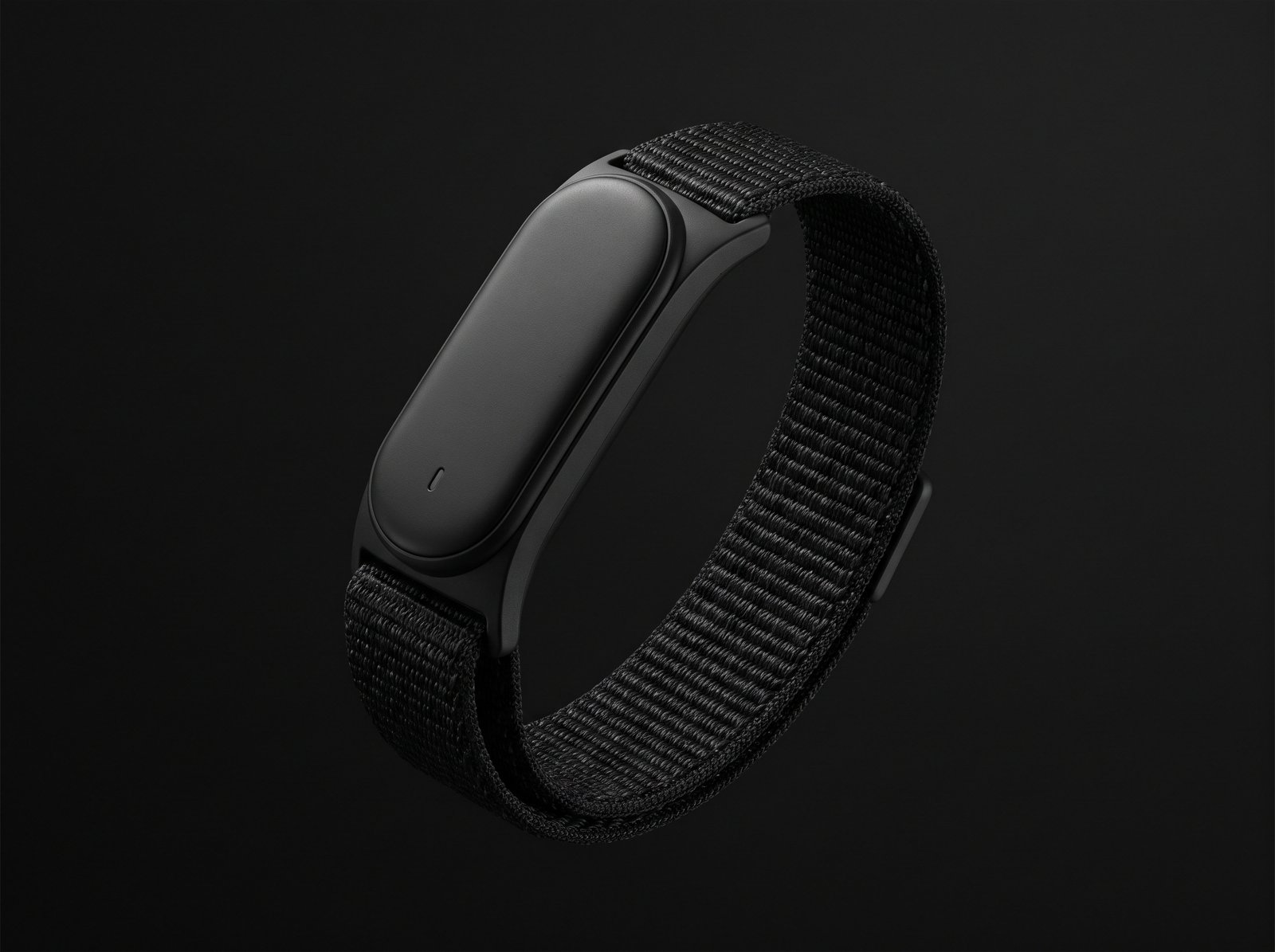
The Amazfit Helio Strap is positioned as a lower-cost screenless health and recovery tracker.
The Amazfit Helio Strap is priced at $99.99 and supports continuous heart rate, live heart-rate broadcasting and wrist or upper-arm placement.
Amazfit claims up to 10 days of battery life.
The upper-arm option is particularly interesting because placement can affect optical heart-rate performance.
How accurate is the Helio Strap?
Independent reviews have generally found useful heart-rate and resting metrics.
Some reviewers have found upper-arm placement helpful during exercise.
However, exercise heart-rate behavior is not perfect, and automatic workout detection has been criticized in some reviews.
Sleep tracking has also produced mixed observations depending on the reviewer and situation.
✓ Who Is It For
- Want a relatively affordable screenless tracker
- Want wrist or upper-arm flexibility
- Care about health and recovery tracking
- Don’t want another display
- Want relatively long battery life
✕ Who Should Skip It
- Expect highly polished automatic workout detection
- Want a premium app experience
- Need consistently perfect exercise heart-rate response
- Want extensive smartwatch features
- Need a built-in display
9. Polar Loop
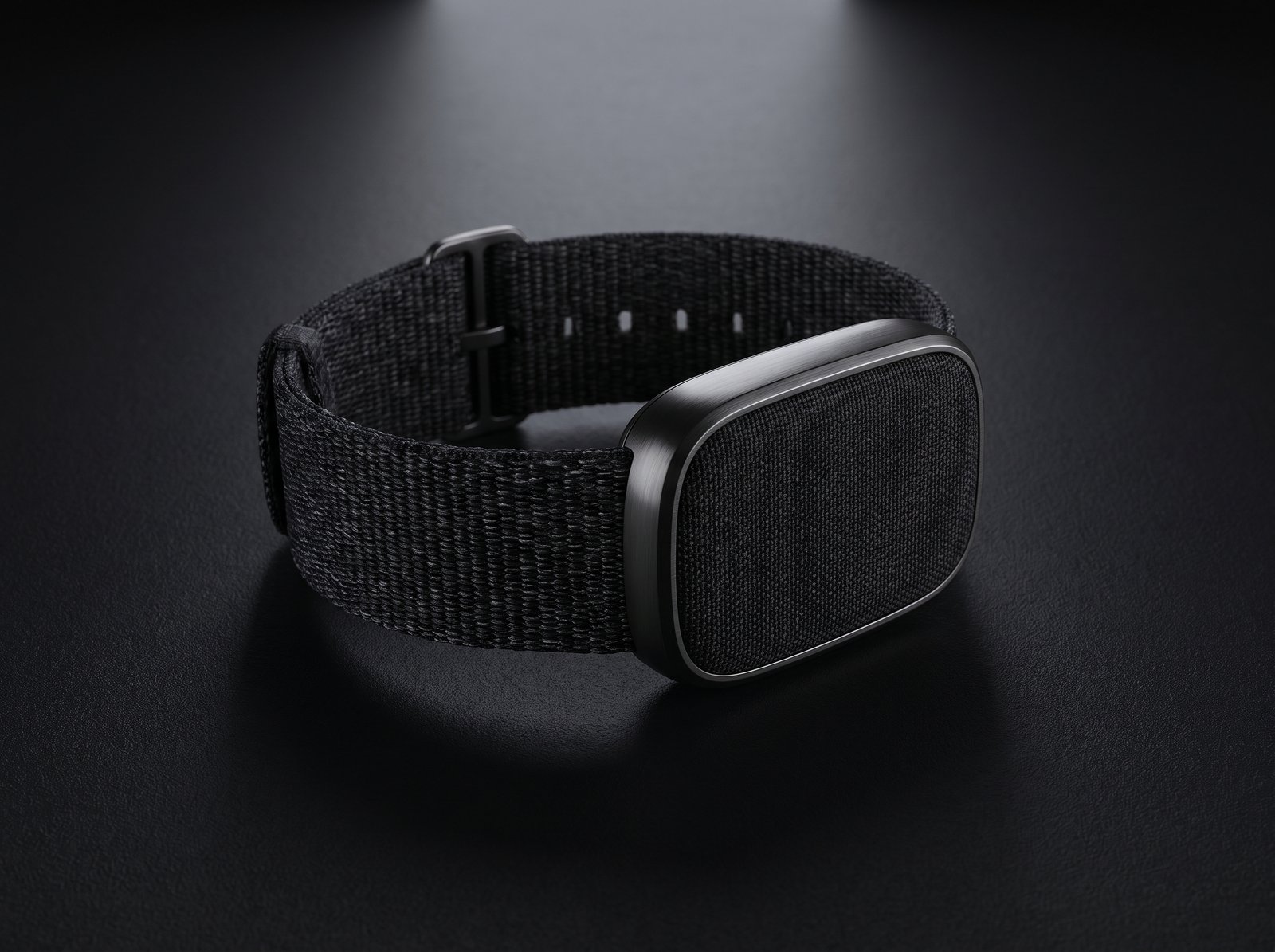
Polar Loop is a $199.99 screen-free and subscription-free tracker focused on:
- 24/7 heart rate
- Activity
- Sleep
- Training
- Nightly HRV
Polar lists up to eight days of battery life.
It is particularly interesting for people already familiar with the Polar ecosystem.
How accurate is Polar Loop?
Independent reviews generally find good day-to-day heart-rate performance and solid results during steady exercise.
More intense interval workouts can be more difficult.
The broader Polar software experience also has a different feel from newer recovery-focused platforms.
✓ Who Is It For
- Want continuous heart-rate and activity tracking
- Prefer a simpler wearable
- Want screen-free tracking
- Don’t want a subscription
- Like Polar’s training ecosystem
✕ Who Should Skip It
- Want a smartwatch interface
- Need extensive phone-free features
- Want a screen for live workouts
- Want the deepest recovery-focused analytics
- Expect a highly interactive wearable
10. Heart-Rate Accuracy: Where Things Get Interesting
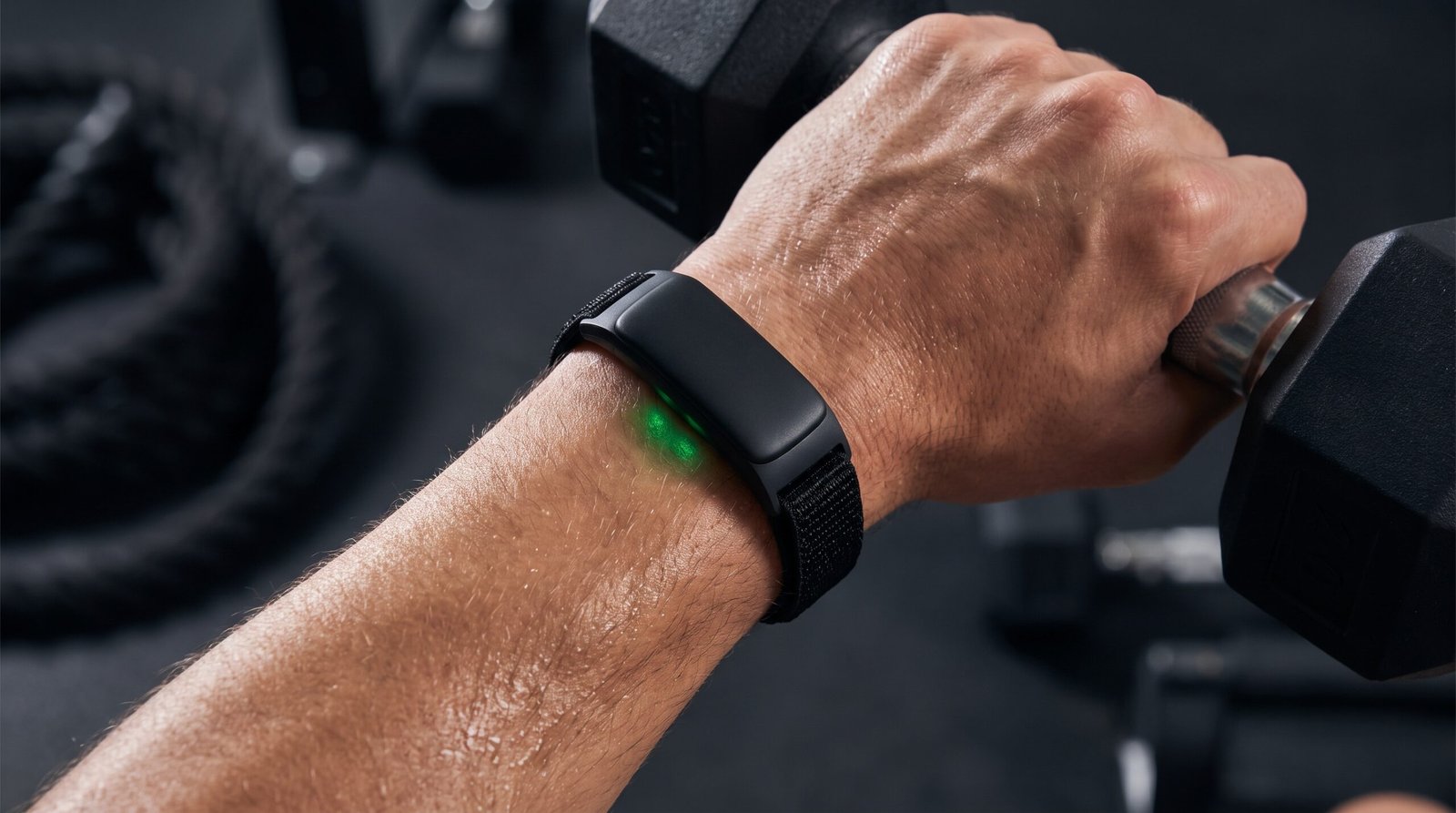
Heart rate is one of the most important—and most misunderstood—wearable metrics.
Most wrist and band-based trackers use optical sensors.
They estimate your pulse by detecting changes in blood volume beneath the skin.
That can work surprisingly well.
But it isn’t identical to measuring the electrical activity of the heart with an ECG.
Performance can change because of:
- Movement
- Sweat
- Sensor placement
- Strap tightness
- Skin contact
- Exercise type
- Rapid changes in intensity
- Muscle movement
That’s why a tracker can perform extremely well during a steady walk but behave differently during weightlifting or sprint intervals.
11. Fitbit Air vs. WHOOP: A Useful Example
The5krunner tested Fitbit Air against the Fourth Frontier ZONE ECG chest strap.
The reported Fitbit Air bias was approximately +0.5 bpm, with limits of agreement around -6.5 to +7.5 bpm across 689 observations.
WHOOP in another comparison showed approximately +1.1 bpm bias with limits around -6.2 to +8.3 bpm across 1,546 observations.
Those are useful results.
But they should not be interpreted as:
“Fitbit Air is more accurate than WHOOP.”
The tests were conducted under particular conditions, and accuracy can change dramatically depending on the activity.
A later interval-running comparison found Fitbit Air and WHOOP to be a particularly strong pair in that specific test.
That’s a much more useful conclusion:
Both devices can produce strong results, but the situation matters.
12. Wrist vs. Biceps: Placement Matters
Where a tracker sits on your body can affect optical heart-rate measurements.
This becomes particularly important during strength training.
The wrist can move considerably while lifting weights, and muscle contraction can make optical measurement more difficult.
Some independent testing has found upper-arm placement useful in these situations.
Garmin CIRQA testing, for example, found strong performance in several gym conditions and suggested that biceps placement can be useful for some strength-focused activities.
So if your heart-rate data looks strange during one particular workout, don’t immediately conclude that the entire device is inaccurate.
First check:
- Was the fit correct?
- Was the tracker positioned properly?
- Was the activity especially difficult for optical sensors?
13. Step Accuracy
Steps are relatively simple compared with sleep stages, but they aren’t perfect.
Arm movements can sometimes look like walking.
Actual walking can occasionally be missed.
Still, independent testing has produced some surprisingly close results.
In one Fitbit Air test, a manually counted 3,000 steps produced approximately 3,004 steps on the tracker.
Garmin CIRQA testing also produced counts close to manual totals during 500-step tests.
This suggests that step counting can be quite useful for everyday trends.
But don’t expect every individual walk to match a manual count perfectly.
14. Sleep Accuracy
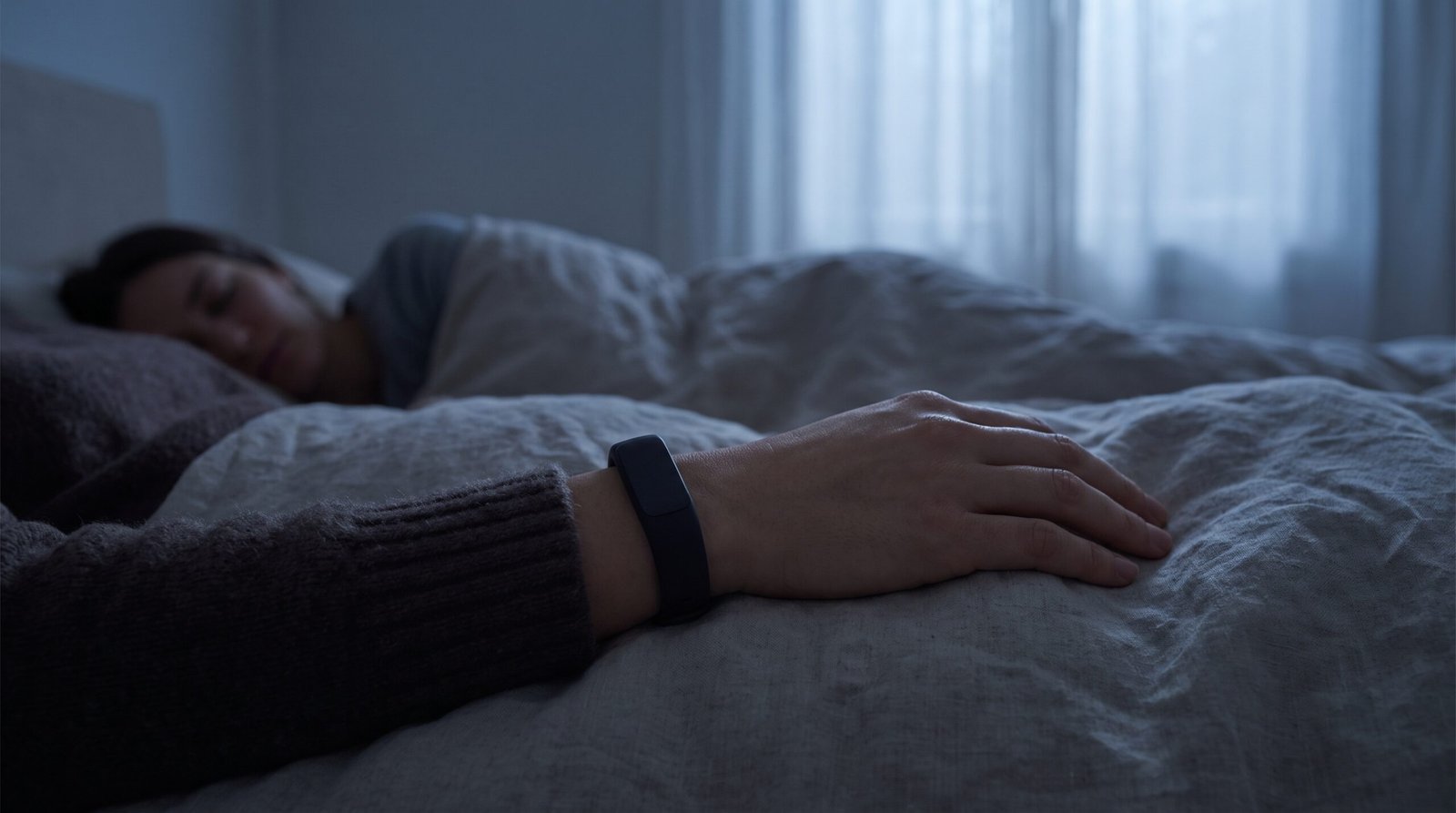
A tracker doesn’t directly “see” your sleep stages.
Instead, it estimates them using signals such as:
- Movement
- Heart rate
- HRV
- Other sensor information
A device can therefore be reasonably good at estimating sleep duration while being less reliable at identifying the exact boundaries between REM, deep and light sleep.
Independent CIRQA testing found total sleep timing broadly accurate across a 15-night comparison.
However, sleep-stage results differed between devices.
Fitbit Air reviews have generally praised its sleep tracking, while early user reports have also included examples of the device confusing wakefulness and sleep.
Those user reports are worth noting, but they should not be treated as population-level evidence.
Use sleep trackers to understand patterns—not to treat every sleep-stage number as laboratory truth.
15. HRV: Useful for Trends, Not a Universal Score
HRV is one of the most interesting wearable metrics.
It is also one of the easiest to misunderstand.
Two healthy people can have very different normal HRV values.
Even the same person can experience major changes because of:
- Sleep
- Stress
- Training load
- Alcohol
- Illness
- Recovery
- Lifestyle changes
Oura recommends comparing HRV against your own historical baseline rather than treating it as a universal score.
Independent Garmin CIRQA testing also found systematic differences in HRV compared with other trackers.
That demonstrates an important point:
Don’t compare HRV numbers from different brands as if they were measuring exactly the same thing in exactly the same way.
Your personal trend is often more useful.
16. SpO₂ and Skin Temperature
Blood oxygen and skin temperature can provide useful context.
But neither should automatically be treated as a medical diagnosis.
Readings can be affected by:
- Sensor placement
- Circulation
- Movement
- Environment
- Individual physiology
For most users, these metrics are more useful for identifying changes from their normal pattern than reacting to one isolated reading.
If you have a health concern, appropriate medical equipment and professional evaluation are more important than a consumer wearable number.
17. Battery Life Isn’t Just About Convenience
Battery life matters for another reason.
Data continuity.
If your tracker needs to be charged every day, you’re more likely to take it off overnight.
And if you take it off overnight, you can lose the very sleep and recovery data you bought the tracker to collect.
Approximate claimed battery figures include:
- Fitbit Air — up to 7 days
- WHOOP 5.0 — 14+ days
- Garmin CIRQA — up to 10 days
- Amazfit Helio Strap — up to 10 days
- Polar Loop — up to 8 days
- Oura Ring 5 — about 1 week
Actual battery life varies with settings, workouts, sensor usage and individual habits.
18. GPS and Outdoor Workouts
This is one of the biggest differences between screenless trackers and smartwatches.
Several screenless devices rely on a connected phone for GPS.
Fitbit Air and Garmin CIRQA, for example, don’t give you the same independent GPS experience as a dedicated GPS smartwatch.
That means you may still need your phone when running, cycling or navigating outdoors.
For someone who always carries a phone, this may barely matter.
For someone who wants to leave the phone at home, it can be a major limitation.
19. Automatic Workout Detection
Automatic workout detection sounds simple.
It isn’t.
The device has to decide:
- When did the workout actually start?
- What activity are you doing?
- When did it stop?
Fitbit Air’s automatic activity behavior includes a roughly 15-minute threshold for certain activity detection.
That means shorter activities may not always behave the way users expect.
If exact workout timing matters to you, manually starting a workout—or using a device designed around live workout interaction—may be preferable.
20. Calories: Treat the Number as an Estimate
Calories burned is one of the least useful wearable metrics to interpret as an exact number.
The device isn’t directly measuring every calorie you burn.
It is estimating energy expenditure using multiple inputs and assumptions.
So if your tracker says you burned 647 calories, that does not mean your body necessarily burned exactly 647 calories.
Use calorie numbers as rough context or a trend.
Not as laboratory measurements.
21. Why Different Trackers Disagree
It’s completely normal for two wearables to disagree.
Here are some reasons:
- Different sensor hardware
- Different algorithms
- Different sampling rates
- Different filtering
- Different placement
- Different assumptions
- Different definitions of sleep
- Different workout-detection rules
- Different approaches to smoothing noisy data
- Individual physiology
This is why disagreement doesn’t automatically mean one device is broken.
Two devices may simply be estimating the same underlying signal in different ways.
22. Screenless Tracker vs. Smartwatch
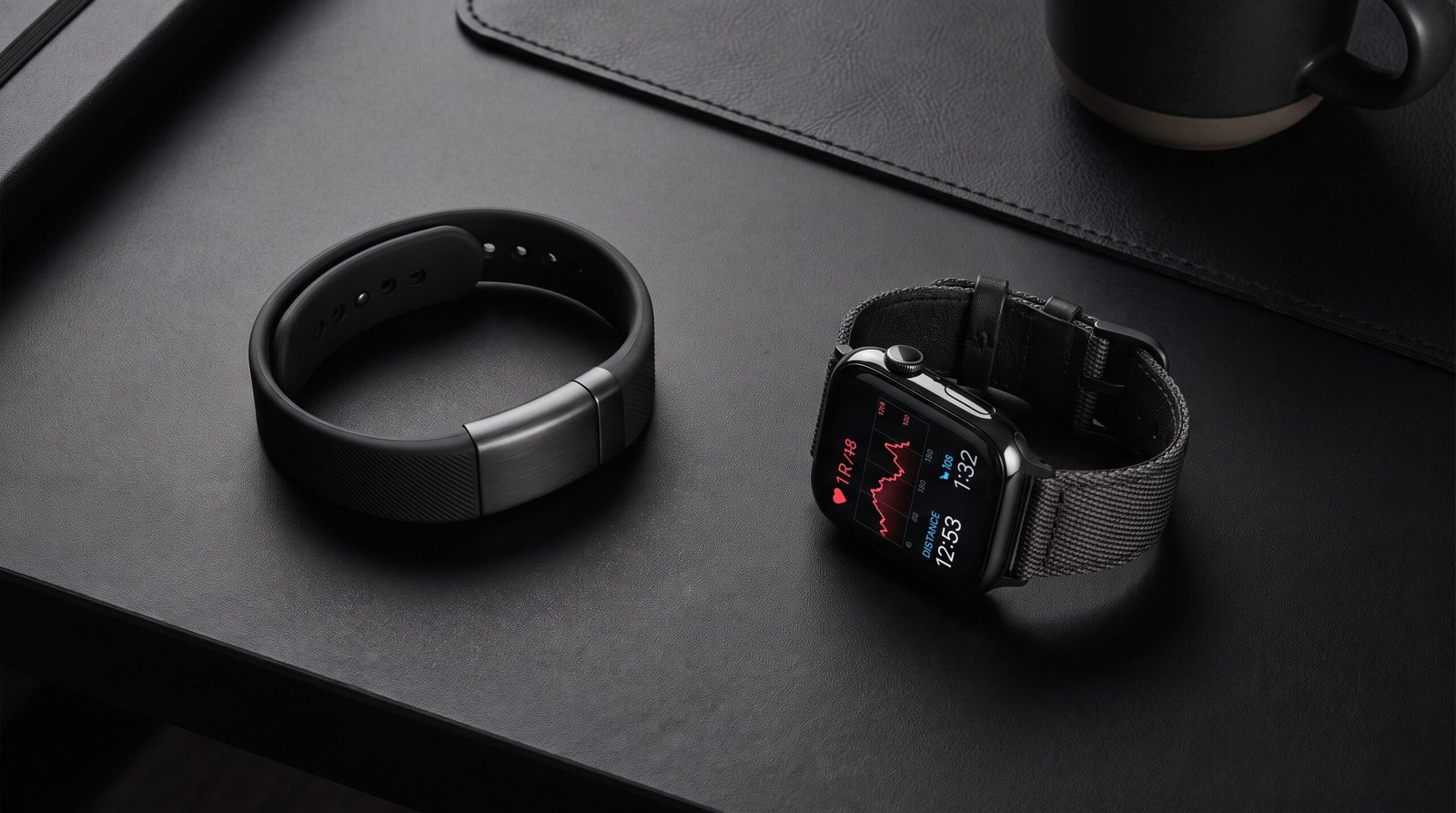
Screenless trackers and smartwatches solve different problems.
Many modern smartwatches also provide strong health tracking.
Their trade-off is that full-featured models can require more frequent charging depending on GPS, display, cellular and other settings.
Neither category is automatically better.
They simply prioritize different things.
Screenless trackers make more sense when you want:
- Less visual distraction
- Comfortable overnight wear
- Longer intervals between charging
- Passive health tracking
- Recovery and sleep tracking
- The ability to wear a traditional watch
- A device that stays in the background
Smartwatches make more sense when you need:
- Live workout statistics
- Phone-free navigation
- Calls
- Messages
- Music
- Payments
- Maps
- Immediate workout feedback
- Interactive controls
23. So Which Product Fits Which Person?
This is where the product differences become more useful than simply asking which one has the highest accuracy.
Fitbit Air
- Best fit: Affordable, lightweight everyday tracking without a required subscription.
- Think about it if: You want sleep, steps and heart-rate tracking without another screen.
- Skip it if: You need onboard GPS, phone-free workouts or extensive smartwatch functionality.
WHOOP 5.0
- Best fit: Serious fitness and recovery tracking.
- Think about it if: Sleep, recovery, strain and training analytics are central to your routine.
- Skip it if: You don’t want a subscription or mainly want basic health tracking.
Garmin CIRQA
- Best fit: Screen-free Garmin ecosystem.
- Think about it if: You want Garmin’s training environment without a display or required subscription.
- Skip it if: You need highly responsive interval HR or reliable open-water HR.
Oura Ring 5
- Best fit: Sleep, recovery and discreet 24/7 tracking.
- Think about it if: You prefer a ring and care more about long-term health insights than live workout data.
- Skip it if: You need a live workout display, GPS or smartwatch functions.
Amazfit Helio Strap
- Best fit: Affordable screenless tracking with flexible placement.
- Think about it if: You want wrist or upper-arm use and don’t want to spend heavily.
- Skip it if: You expect highly polished automatic workout detection and a premium app experience.
Polar Loop
- Best fit: Simple, screen-free Polar tracking.
- Think about it if: You want a subscription-free tracker within the Polar ecosystem.
- Skip it if: You want a modern smartwatch interface or extensive phone-free functionality.
You may also like: Best Budget Tech Essentials Under $50 That Are Actually Worth It
24. Who Should Actually Buy a Screenless Tracker?
A screenless tracker makes the most sense if:
- You want health data without another bright screen.
- You care about sleep and long-term trends.
- You don’t need live workout controls.
- You want several days of battery life.
- You like wearing a traditional watch.
- You are comfortable checking detailed data on your phone later.
25. Who May Be Better Served by a Smartwatch?
A smartwatch may be more appropriate if:
- You need live workout data.
- You want to leave your phone at home.
- You need maps or GPS navigation.
- You want calls or messages.
- You want music or payments from your wrist.
- You want immediate feedback during exercise.
- You want an interactive screen.
If you constantly need to look at your workout data while exercising, removing the screen may actually remove one of the features you value most.
26. Can You Trust Screenless Trackers?
Yes—with the right expectations.
These devices can provide genuinely useful information about:
- Heart rate
- Activity
- Steps
- Sleep timing
- Recovery trends
- HRV trends
But “trust” shouldn’t mean treating every number as a laboratory measurement.
The smarter approach is to understand which measurements are relatively robust and which are estimates.
- Resting heart rate: generally useful.
- Step count: generally useful for trends.
- Sleep duration: useful for patterns.
- Sleep stages: estimates.
- HRV: best interpreted against your own baseline.
- Calories: rough estimate.
- Rapid exercise heart rate: more dependent on sensor placement and response speed.
That’s a much more realistic way to use wearable data.
27. Final Accuracy Cheat Sheet
| Metric | How to Think About It |
|---|---|
| Resting heart rate | Generally one of the more useful wearable metrics |
| Steady exercise HR | Often useful with good fit |
| Rapid intervals | More difficult; response delay can matter |
| Steps | Useful for everyday trends, not perfect |
| Sleep duration | Generally useful for patterns |
| Sleep stages | Treat as estimates |
| HRV | Compare with your own baseline |
| Calories | Rough estimate |
| SpO₂ | Context, not diagnosis |
| Skin temperature | Better for personal trends |
28. Final Takeaway
The biggest mistake is asking:
“Which tracker is the most accurate?”
A better question is:
“Which tracker is accurate enough for the things I actually care about?”
If you mainly want quiet, continuous health tracking, screenless devices can make a lot of sense.
They can stay on your body while you sleep, work, travel and exercise without constantly demanding your attention.
If you need live workout feedback, phone-free navigation, calls, messages or interactive controls, a smartwatch may fit your routine better.
And within the screenless category, the differences are just as important.
Fitbit Air is positioned around affordable everyday tracking.
WHOOP 5.0 focuses heavily on recovery and training analytics.
Garmin CIRQA brings Garmin’s fitness ecosystem into a screen-free format.
Oura Ring 5 takes a discreet, sleep-and-recovery-first approach.
Amazfit Helio Strap emphasizes value and flexible placement.
Polar Loop provides a simpler screen-free experience within the Polar ecosystem.
None of those differences automatically make one device right for everyone.
The best choice depends on what you actually want the device to do—and what you’re willing to give up to get it.
Accuracy isn’t one number. A useful tracker is one that gives you measurements you can understand, compare consistently and use appropriately.
Related guide: Best Ergonomic Desk Accessories for 2026
Editorial Note
This article summarizes published specifications, independent testing, professional reviews and user reports available during the 2026 research period.
The Few Picks did not independently laboratory-test every device discussed. Where numerical results are mentioned, they are based on the specific independent testing or review being discussed and should not be interpreted as universal performance guarantees.
Consumer wearables are not substitutes for medical diagnosis or professional medical evaluation.
Selected Research Sources
- Google / Fitbit — Official Fitbit Air launch and specifications.
- Garmin — Official CIRQA product and launch information.
- Polar — Official Polar Loop product information.
- Amazfit — Official Helio Strap product information.
- WHOOP — Official information on sleep tracking and membership.
- Oura — Official HRV guidance and Ring 5 information.
- The5krunner — Independent heart-rate, interval, sleep, steps and open-water testing.
- Tom’s Guide — Independent product reviews and chest-strap comparisons.
- Android Authority — Fitbit Air reviews and reported user issues.
- Wareable — Independent Helio and Polar reviews.
- TechRadar — Independent Helio Strap testing.
Reader Disclosure: The Few Picks is reader-supported. As an Amazon Associate, we earn from qualifying purchases. When you buy through links on our site, we may earn an affiliate commission at no extra cost to you.