
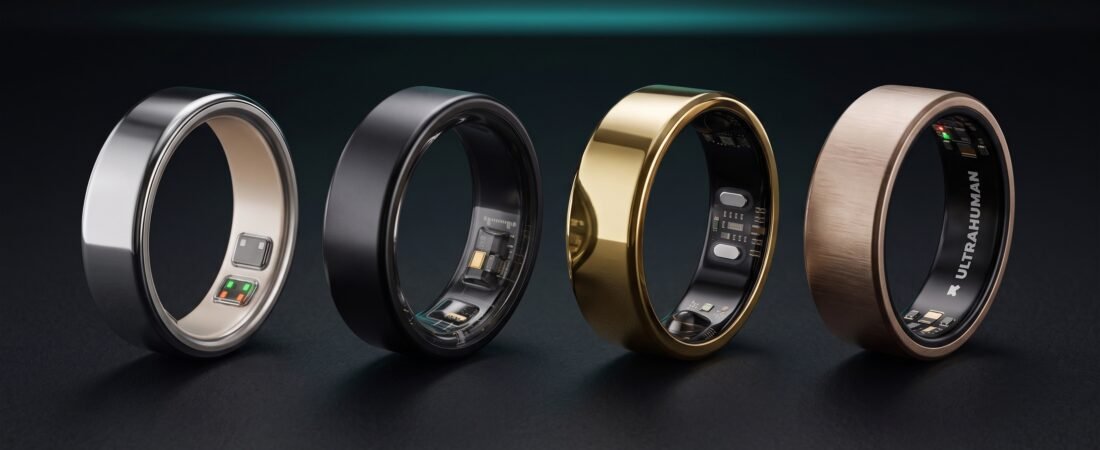
Smart rings are getting easier to buy, harder to compare, and more interesting as everyday health trackers. Unlike smartwatches, they do not put a screen, notifications, GPS map or stream of alerts on your wrist. Instead, they sit quietly on your finger and collect health and activity signals throughout the day and night.
That makes them particularly interesting for people who want more health data without wearing another screen. But there is an important catch: smart rings are not interchangeable. Some are built around sleep and recovery, others make sense only inside a specific phone ecosystem, and recurring subscriptions heavily shift the true cost of ownership. We evaluated four current options representing distinct philosophies: Oura Ring 5, Samsung Galaxy Ring, RingConn Gen 3, and Ultrahuman Ring PRO.
Are Smart Rings Actually Worth Buying?
Smart rings make the most sense when you want passive health and sleep tracking without wearing a smartwatch. They excel at heart-rate trends, sleep recovery, stress signals, and long-term habits, but make little sense if you require live workout displays or wrist notifications.
- Sleep & Software Depth: Oura Ring 5 — The most established validation literature and comprehensive recovery metrics, balanced against an ongoing monthly membership.
- Samsung & Android Ecosystem: Samsung Galaxy Ring — Seamless Samsung Health sync, lightweight concave titanium frame, and zero subscription fees.
- Subscription-Free Balance: RingConn Gen 3 — 10–14 days battery life, first-to-category haptic vibration alerts, and complete subscription freedom.
- Battery & Circadian Metrics: Ultrahuman Ring PRO — Up to 15-day standalone battery, advanced metabolic and circadian guidance, sold directly via official channels.
In This Guide
- Smart Ring Comparison at a Glance
- 1. Oura Ring 5 — Established Sleep Tracking & Software Depth
- 2. Samsung Galaxy Ring — Discreet Tracker for Samsung Users
- 3. RingConn Gen 3 — Long Battery Life with No Subscription
- 4. Ultrahuman Ring PRO — Extended Endurance & Metabolic Focus
- What Smart-Ring Research Actually Tells Us
- Smart Rings vs. Smartwatches: Form Factor Realities
- Sizing Accuracy and Health Data Privacy
- The Cost Difference Becomes Bigger Over Time
- What You Probably Should Not Buy a Smart Ring For
- Frequently Asked Questions
- Selected Research Sources
- Final Buying Verdict
Current Smart Ring Benchmarks
| Ring | Pricing Note | Claimed Battery | Subscription | Phone Compatibility | Best Fit | Action |
|---|---|---|---|---|---|---|
| Oura Ring 5 Featured | From $399 (dock incl.) | 6–9 days | $5.99/mo or $69.99/yr | iOS + Android | Broad sleep, recovery and health tracking | Check Price → |
| Samsung Galaxy Ring | $399.99 | Up to 7 days | No required fee | Android 11+ (Galaxy opt.) | Samsung & Android ecosystem users | Check Price → |
| RingConn Gen 3 | $349 launch (check stock) | 10–14 days | No subscription | iOS & Android | Vibration alerts + subscription-free tracking | Check Price → |
| Ultrahuman Ring PRO | $479 (Direct) | Up to 15 days | No core fee (optional add-ons) | iOS + Android | Max battery & metabolic guidance | Official Store ↗ |
1. Oura Ring 5 — Established Sleep Tracking & Software Depth
Price Reference: From $399 (plus membership)
Best For: Detailed sleep stages, recovery tracking, and extensive algorithmic health history
The problem it is trying to solve: “I want detailed health and sleep information without wearing an illuminated screen on my wrist to bed.”
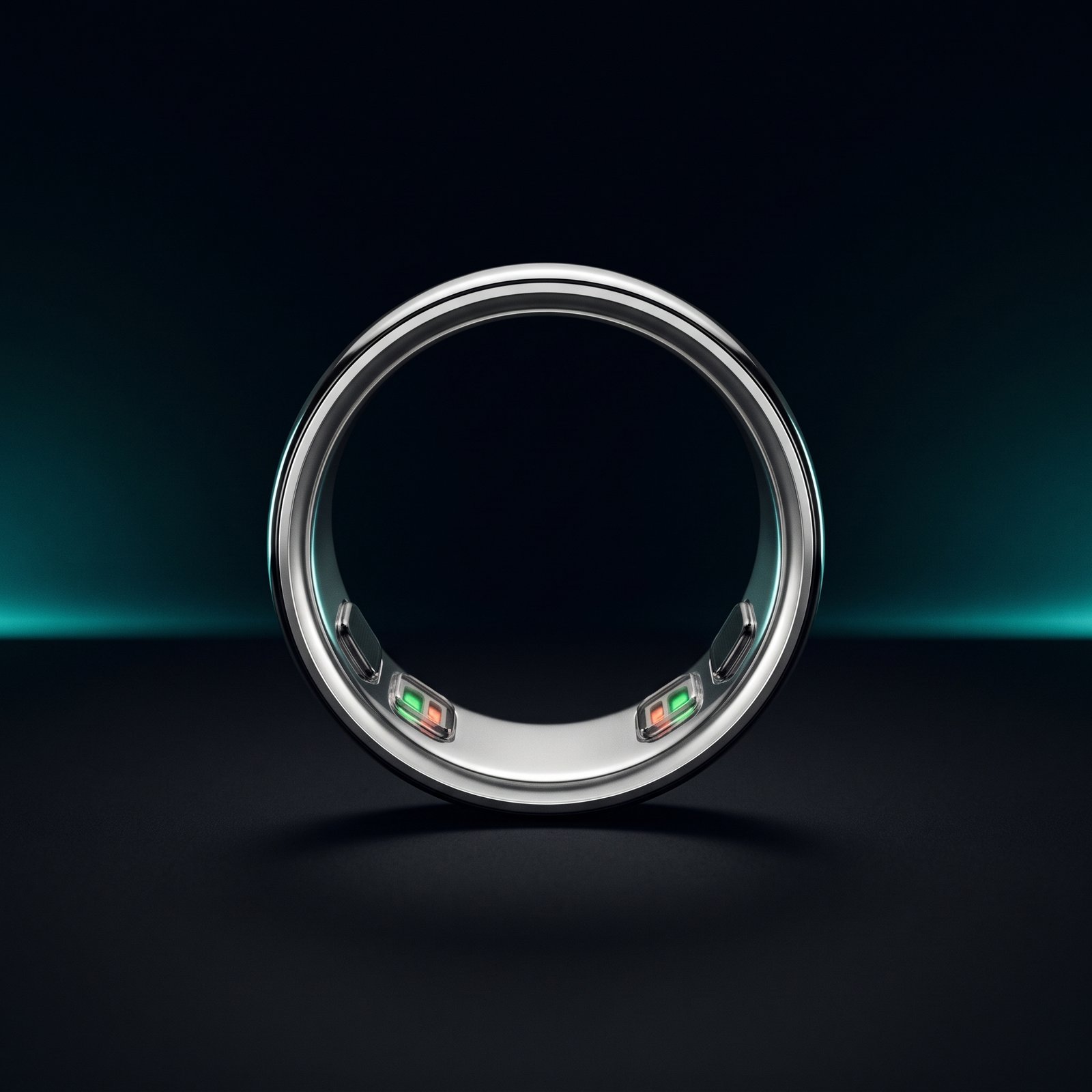
Oura remains the most established pioneer in consumer smart rings. The Ring 5 continues this refinement with a titanium casing that is 40% smaller in volume than earlier models, offering a thinner interior profile across sizes 6 through 13. Rather than competing solely on raw sensor counts, Oura’s primary strength lies in its longitudinal data processing: how sleep architecture, daytime stress, heart rate variability (HRV), and temperature trends are synthesized into actionable daily baselines.
New Health Radar: Trend Signals vs. Clinical Metrics
Oura’s Health Radar features—including Nighttime Breathing disturbances and Blood Pressure Signals—are wellness indicators rather than medical diagnostic tools. Blood Pressure Signals does not take direct blood pressure readings in mmHg. Instead, it tracks nocturnal circulatory patterns to highlight potential signs of cardiovascular stress over time (available in select regions like the U.S., India, and the UAE, often through Oura Labs studies). Similarly, Nighttime Breathing monitors disturbance frequency rather than clinically diagnosing sleep apnea.
The Subscription Changes the True Cost
Oura Membership costs $5.99 per month or $69.99 per year in the U.S. (with the first month included). Without active membership, access shrinks down to basic readiness, sleep, and activity scores without granular sleep staging or historical trends. Over three years of continuous ownership, subscription dues add roughly $209.97, bringing a $399 hardware purchase to approximately $608.97 before tax.
✓ WHAT WE LIKE
- Long-tested sleep tracking algorithms supported by published validation literature
- Thinner, lighter titanium construction with smooth recessed sensors
- Broad compatibility across both iOS and Android platforms
- Sophisticated daytime stress tracking and illness predictive warnings
✕ WHAT TO CONSIDER
- Mandatory ongoing membership fee to unlock meaningful health insights
- A portable battery-powered charging case costs an extra $99 (only a standard wired dock is included in the box)
- Lacks real-time workout pacing or active GPS mapping without companion phone
Who Should Buy: Dedicated biohackers and recovery-focused individuals who prioritize algorithmic maturity and are comfortable paying recurring software dues.
Who Should Skip: Anyone with subscription fatigue or buyers who just want simple, local step-and-sleep counters without cloud memberships.
Hardware Specifications
- Base Price: From $399 (U.S., standard wired charger included)
- Claimed Battery: Typically 6–9 days (usage and size dependent)
- Chassis: Grade-V titanium with PVD physical vapor deposition coating
- Sizing: Sizes 6–13 (brand-specific sizing kit recommended)
- Water Resistance: 100m / 328ft
- Compatibility: iOS and Android
- Membership Cost: $5.99/mo or $69.99/yr
2. Samsung Galaxy Ring — Discreet Tracker for Samsung Users
Price Reference: $399.99
Best For: Android users—particularly Galaxy device owners—wanting zero subscription fees
The problem it is trying to solve: “I want discreet 24/7 biometric tracking that feeds directly into Samsung Health without a monthly paywall.”
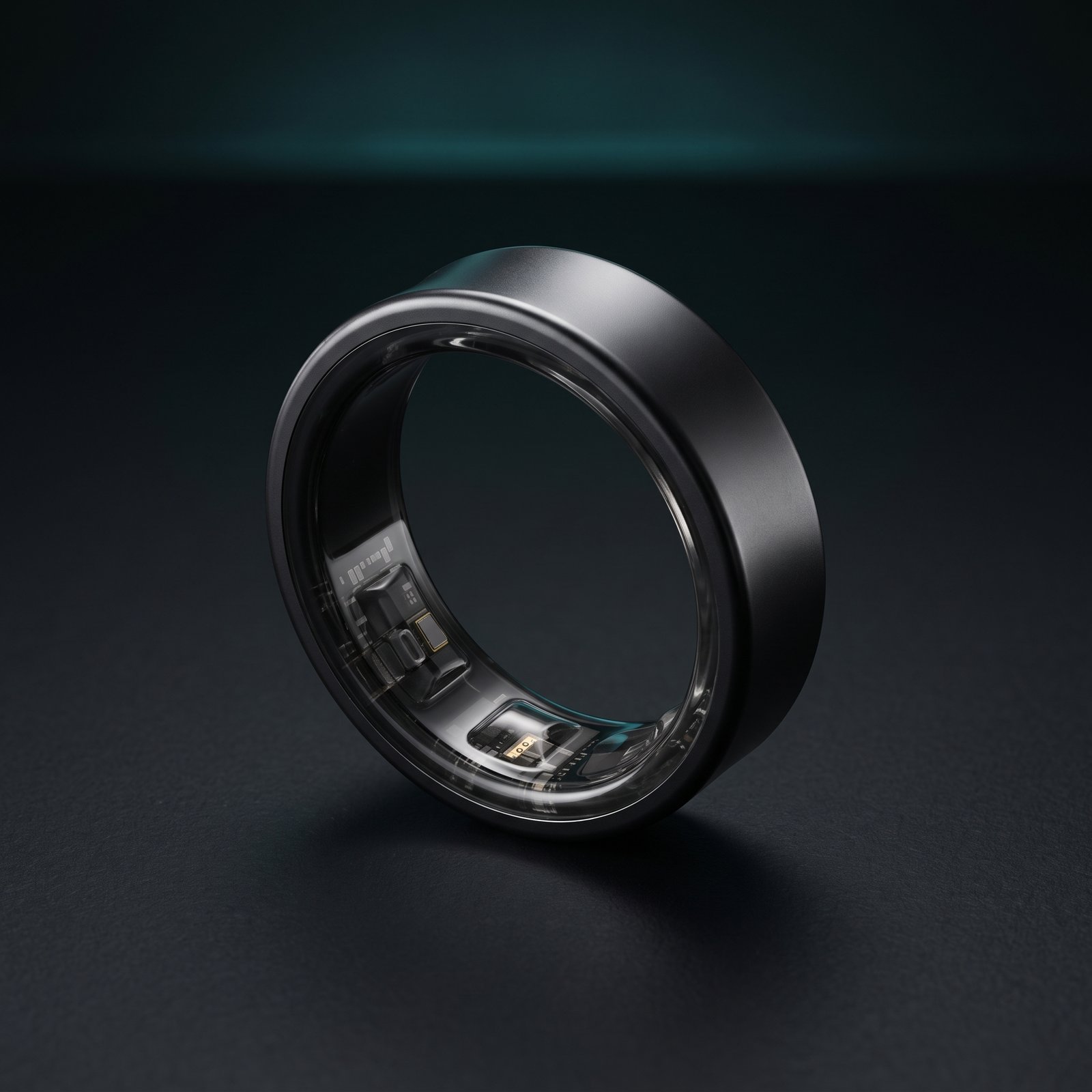
The Samsung Galaxy Ring shifts the value proposition by tethering directly into Samsung’s expansive hardware environment. Built with an inward concave curve to shield its titanium finish from daily surface scratches, it provides up to seven days of battery life in larger configurations. Its most compelling purchasing advantage is financial transparency: once purchased, all Sleep Scores, Energy Scores, and skin temperature trends in Samsung Health remain free of recurring fees.
The Hard Ecosystem Constraint
Samsung requires an Android phone running Android 11 or higher, the Samsung Health app, and a verified Samsung Account. It offers zero compatibility with iOS devices. iPhone users should bypass this device entirely. Furthermore, advanced AI-generated Energy Scores and pinch gestures (to dismiss phone alarms or snap camera photos) require a recent Samsung Galaxy smartphone.
What About the Galaxy Ring 2 and Patent Disputes?
Samsung has officially confirmed that a next-generation Galaxy Ring is in development, but the company has not announced an official launch date, specifications, or pricing (industry reports point toward an unconfirmed early 2027 window). If you need an Android-compatible smart ring today, waiting is generally unnecessary. In parallel, Samsung and Oura remain locked in ongoing smart-ring patent litigation across the U.S. International Trade Commission and federal courts, though this currently does not restrict Galaxy Ring availability.
✓ WHAT WE LIKE
- Zero subscription fees required for full data access within Samsung Health
- Distinctive concave outer surface reduces accidental desk and gym abrasion
- Bundled transparent charging case with internal backup battery included
- Dual-wear synergy intelligently conserves ring battery when paired with a Galaxy Watch
✕ WHAT TO CONSIDER
- Strictly incompatible with iPhones and iOS devices
- Select smart gestures and AI Energy Score summaries require Galaxy-specific phones
- Next-gen hardware is confirmed in development, though without an official release date
Who Should Buy: Existing Samsung Galaxy smartphone owners looking for a lightweight, passive health ring that integrates instantly into Samsung Health.
Who Should Skip: iPhone owners or multi-platform households that want hardware unrestricted by mobile OS boundaries.
Hardware Specifications
- Base Price: $399.99 (U.S.)
- Claimed Battery: Up to 7 days (sizes 12–13); 5–6 days (sizes 5–11)
- Chassis: Grade-V titanium with concave profile
- Sizing: Sizes 5–13 (dedicated sizing kit available)
- Water Resistance: 10 ATM / IP68
- Compatibility: Android 11+ only (Samsung Galaxy phone recommended)
- Membership Cost: None required
Related Read: Wondering whether a ring can fully replace what is on your wrist? Review our deep-dive comparison on Smartwatch vs Traditional Watch in 2026 →
3. RingConn Gen 3 — Long Battery Life with No Subscription
Price Reference: Launched at $349 (Pricing and stock vary; check current listings)
Best For: Buyers seeking extended battery life, gentle vibration alerts, cross-platform support, and lifetime subscription freedom
The problem it is trying to solve: “I dislike having to charge a wearable every few days, I want physical nudges without wrist screens, and I refuse to pay a monthly software subscription.”
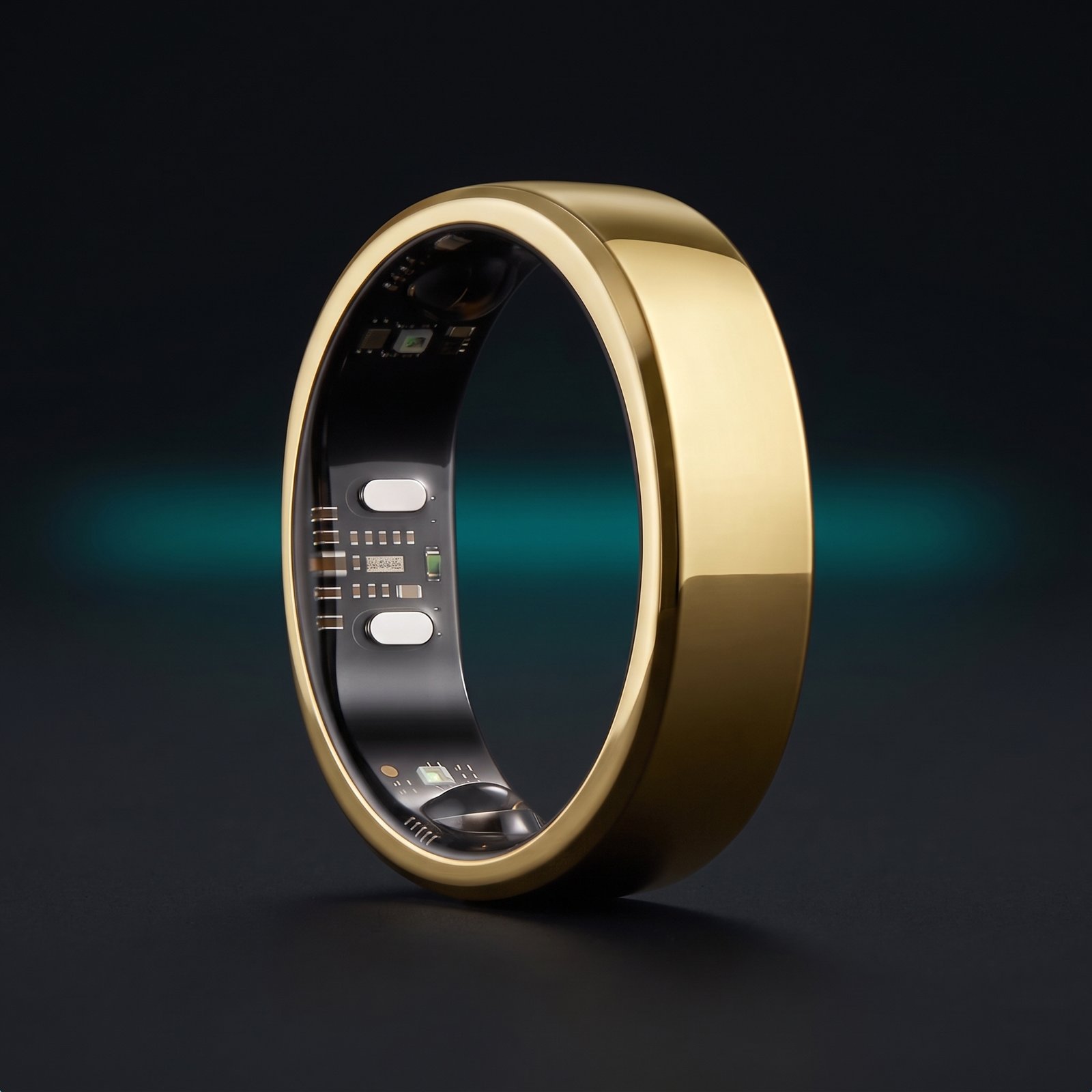
RingConn has consistently positioned itself as the anti-subscription alternative. The Gen 3 hardware elevates that position by introducing a built-in vibration motor—a first in this category—providing physical haptic alerts for sedentary reminders, high stress periods, and low battery. Its squircle (rounded-square) exterior geometry stabilizes sensor placement against unwanted finger rotation, while keeping optical sensors seated against the palmar surface.
Pricing Reality and Battery Ranges
While RingConn introduced the Gen 3 at an official $349 launch price, official store inventory has experienced frequent “out of stock” periods, and select U.S. and UK reviews (including TechRadar and Trusted Reviews) have documented retail pricing ranging between $400 and $454. Always verify live merchant pricing before buying. Battery life is rated at 11–14 days with vibration disabled and 10–12 days with vibration enabled, representing substantial real-world endurance in both modes.
Vascular Trend Insights vs. Medical Readings
The Gen 3 model adds nocturnal breathing analysis and vascular health trend monitoring. RingConn explicitly notes that the device provides vascular health trend insights, not single blood pressure readings. It is not an FDA-cleared diagnostic device and should not replace a calibrated brachial blood pressure cuff or clinical polysomnography.
✓ WHAT WE LIKE
- Long standalone battery life: 11–14 days (vibration off) / 10–12 days (vibration on)
- 100% subscription-free software with permanent access to health baselines
- Built-in haptic vibration motor for gentle, discreet health and sedentary nudges
- Squircle geometry stabilizes sensor placement against finger rotation
✕ WHAT TO CONSIDER
- Retail inventory fluctuates; prices above the $349 launch baseline have been observed
- Vascular health tracking provides directional trend indicators, not calibrated blood pressure numbers
- Sizing molds run slightly different from Oura; using the dedicated physical kit is mandatory
Who Should Buy: Travelers, minimalist switchers, and anyone seeking physical haptic alerts with maximum intervals between charges and zero monthly fees.
Who Should Skip: Those who need the absolute highest volume of third-party clinical validation before acting on sleep staging data.
Hardware Specifications
- Base Price: Launched at $349 (U.S., prices fluctuate based on inventory)
- Claimed Battery: 11–14 days (vibration off); 10–12 days (vibration on)
- Chassis: Titanium exterior with medical-grade epoxy resin interior
- Sizing: Sizes 6–15 (widest size spectrum in group)
- Water Resistance: IP68 / 10 ATM
- Compatibility: iOS and Android
- Membership Cost: None ($0 forever)
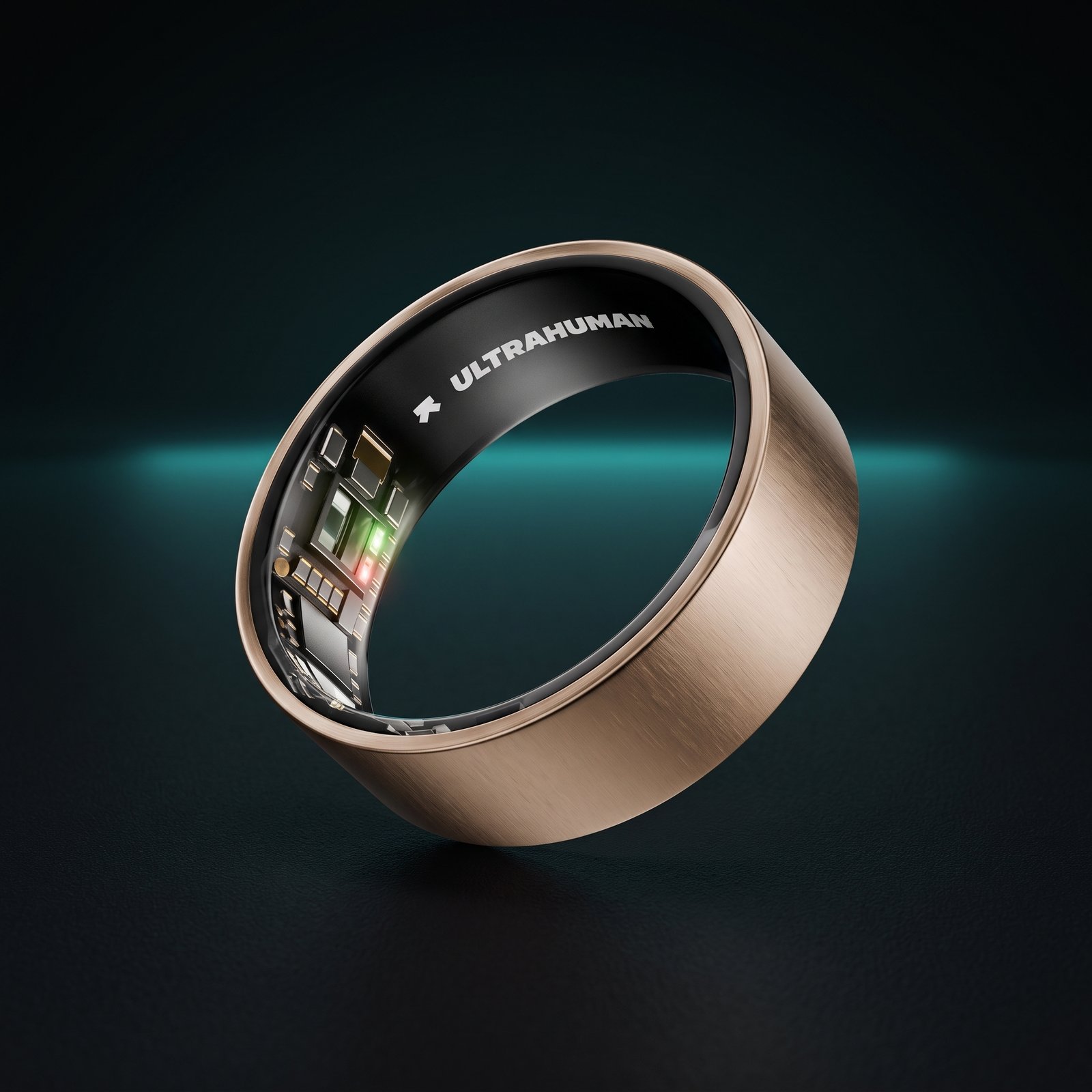
4. Ultrahuman Ring PRO — Extended Endurance & Metabolic Focus
Price Reference: $479 (Direct)
Best For: Biohackers tracking circadian rhythms, recovery signals, and extended remote battery life
The problem it is trying to solve: “I want deep metabolic insights and extended battery performance without being locked into a standard recurring platform fee.”
The Ultrahuman Ring PRO targets athletes, endurance runners, and biohackers. With a standalone battery rating of up to 15 days—supplemented by the included PRO Charging Case that brings total off-grid capacity to nearly 45 days—it is engineered to eliminate battery anxiety completely. Its internal software emphasizes circadian rhythm timing, temperature-based recovery baselines, and sleep debt resolution.
A Note on Ultrahuman’s U.S. Patent Dispute
Ultrahuman has been involved in U.S. patent proceedings initiated by Oura. In August 2025, the U.S. International Trade Commission issued a limited exclusion order following its finding of a Section 337 violation involving certain smart-ring products. The order should not be interpreted as a permanent blanket ban on every future Ultrahuman design.
On March 6, 2026, U.S. Customs and Border Protection issued ruling HQ H354023, finding that the specifically described redesigned Ultrahuman Ring PRO was outside the scope of that exclusion order, subject to the ruling’s design, certification, and verification conditions. The related Federal Circuit appeal, No. 26-1083, is listed as pending on the ITC’s case record. Separate district-court proceedings also appear in the public record.
For buyers: The important distinction is that the Ring PRO received a specific customs ruling; that does not mean every legal dispute involving Ultrahuman has been resolved. Check current U.S. availability and the seller’s terms before ordering.
Understanding the “No Subscription” Distinction
The core biometric tracking—sleep staging, movement index, recovery scores, and skin temperature—carries zero recurring fees. However, Ultrahuman has adopted a modular software architecture called PowerPlugs. While general tracking is free, niche algorithmic add-ons (such as Cardio Adaptability at $24/year or Ovulation Pro at $39/year) carry optional annual charges.
✓ WHAT WE LIKE
- Long 15-day standalone ring endurance (up to 45 days with included PRO Charging Case)
- Comprehensive circadian rhythm, caffeine window, and shift-work advice
- Tough Tungsten Carbide coating over titanium frame for heavy gym use
- Seamless sync with continuous glucose monitors (CGM) inside the app
✕ WHAT TO CONSIDER
- Higher upfront hardware cost ($479) than other options in this comparison
- Certain specialized analytical plugins carry extra annual fees (PowerPlugs)
- Available primarily through direct manufacturer channels in the U.S. rather than third-party retailers like Amazon
Who Should Buy: Athletes and performance-focused users who appreciate detailed recovery mapping and prioritize long battery longevity.
Who Should Skip: Casual buyers looking for the lowest upfront entry cost or those who prefer purchasing exclusively through retail platforms like Amazon.
Hardware Specifications
- Base Price: $479 (U.S. official store)
- Claimed Battery: Up to 15 days standalone (45 days with PRO Charging Case)
- Chassis: Fighter-jet titanium with Tungsten Carbide Carbon coating
- Sizing: Sizes 5–14 (free sizing kit included)
- Water Resistance: 100m / 330ft
- Compatibility: iOS and Android
- Subscription: Free core access; optional specialized PowerPlugs extra
Related Read: Comparing screenless bands against smart rings for workouts? Read our evidence breakdown on How Accurate Are Screenless Fitness Trackers? →
What Smart-Ring Research Actually Tells Us
Smart-ring marketing often implies laboratory precision, but independent peer-reviewed literature paints a more nuanced picture. Understanding the boundary between directional trend tracking and clinical diagnosis prevents costly mistakes.
A comprehensive 2025 systematic review and meta-analysis (Khan et al.) evaluating multi-study ring accuracy against medical polysomnography (PSG) showed strong group-level alignment across sleep parameters like Total Sleep Time (TST) and Sleep Efficiency. However, a parallel 2025 clinical study (Herberger et al.) observed that while group averages appear statistically close to medical references, individual-level discrepancies remain too wide for clinical or diagnostic use.
Furthermore, the U.S. Food and Drug Administration (FDA) explicitly cautions consumers against any wearable ring or smartwatch claiming to measure blood glucose non-invasively without authorized skin-piercing sensors. Treat all consumer smart rings as longitudinal lifestyle tools—never as personal medical devices.
Smart Rings vs. Smartwatches: Form Factor Realities
A smart ring is not merely a miniaturized smartwatch. It serves a fundamentally different psychological and practical role in daily life:
- Choose a Smartwatch if: You rely on visible wrist notifications, make hands-free calls, require standalone cellular/GPS mapping for outdoor runs, or want real-time pacing during HIIT workouts.
- Choose a Smart Ring if: You suffer from screen fatigue, dislike wearing a bulky watch to sleep, prefer wearing traditional mechanical timepieces, and prefer reviewing your recovery trends passively inside an app.
Sizing Accuracy and Health Data Privacy
Why You Must Use the Sizing Kit: Smart ring sensors rely on intimate, flush contact with the finger’s palmar capillary bed. A ring that is even half a size too large causes light-leak distortion in photoplethysmography (PPG) readings, while a ring that is too tight restricts overnight circulation. Ring sizes are not standardized across manufacturers; an Oura size 10 will not match a RingConn or Samsung size 10. Always wear the plastic sizing mold for 24 continuous hours before confirming your metal order.
Data Privacy Realities: Smart rings collect your most intimate biological signals—including resting heart rates, skin temperatures, and menstrual cycle markers. Review whether the manufacturer allows local data export, whether anonymized health metrics are monetized for model training, and ensure full account deletion can be executed directly inside the companion application.
The Cost Difference Becomes Bigger Over Time
The upfront hardware price is often misleading. Evaluating the true three-year cost of ownership reveals significant budget divergence across these platforms:
- Oura Ring 5: $399 base + ($69.99 × 3 years) = ~$608.97 (excluding optional charging cases).
- Samsung Galaxy Ring: $399.99 flat (all Samsung Health features included with zero ongoing dues).
- RingConn Gen 3: ~$349 flat (subject to stock availability; complete features included with no membership).
- Ultrahuman Ring PRO: $479 flat for core functionality (with optional specialized PowerPlugs adding modest yearly costs if selected).
A subscription can represent good value if you actively utilize the proprietary coaching algorithms, but subscription-free hardware provides substantially greater long-term cost certainty.
What You Probably Should Not Buy a Smart Ring For
Do not purchase a smart ring simply because of current wearable trends. You should avoid this category entirely if:
- You expect a wearable to diagnose medical cardiovascular conditions or replace clinical sleep evaluations.
- You want to monitor split times, pace, or heart-rate zones dynamically while running or cycling.
- You frequently lift heavy knurled metal barbells at the gym without workout gloves (which will severely scratch titanium PVD coatings).
- You already wear a smartwatch comfortably to bed and find its companion app sufficient for your daily goals.
Frequently Asked Questions
What is the best smart ring for most people in 2026?
There is no single universal winner. Oura Ring 5 delivers the most mature software ecosystem and the deepest sleep research history, but requires an ongoing membership. Samsung Galaxy Ring is a reliable choice for Android and Galaxy users seeking zero fees. RingConn Gen 3 offers standout value with 10–14 day battery life, vibration alerts, and no subscription, while Ultrahuman Ring PRO excels in battery life and metabolic tracking.
Can a smart ring accurately measure blood pressure?
No consumer smart ring measures blood pressure in mmHg like an inflatable brachial cuff. Devices like the Oura Ring 5 and RingConn Gen 3 evaluate pulse patterns and vascular trends to highlight directional cardiovascular changes. They provide wellness insights, not clinical diagnostic readings.
Should I wait for the Samsung Galaxy Ring 2?
Samsung has confirmed a next-generation ring is in development, but has not shared release dates, hardware specifications, or pricing. Rumors point toward early 2027, making it an uncertain timeline. If you want seamless Samsung Health integration today, the current Galaxy Ring remains fully functional and subscription-free.
Do you need a paid subscription to use a smart ring?
Not across all brands. Samsung Galaxy Ring and RingConn Gen 3 require absolutely no subscriptions to access all metrics. Ultrahuman Ring PRO does not require a fee for core tracking, though select specialized plugins carry optional fees. Only Oura mandates a recurring membership ($5.99/mo or $69.99/yr) for its comprehensive health insights.
Does the Samsung Galaxy Ring work with an iPhone?
No. The Samsung Galaxy Ring is strictly incompatible with iOS devices. It requires an Android phone running Android 11 or higher and the Samsung Health application. iPhone owners should look toward Oura Ring 5, RingConn Gen 3, or Ultrahuman Ring PRO.
Why is Ultrahuman Ring PRO not available on Amazon US?
Due to ongoing US patent litigation and ITC exclusion rulings concerning older hardware variants, the Ultrahuman Ring PRO is distributed in the U.S. directly through Ultrahuman’s official online store rather than through third-party retailers like Amazon.
Selected Research Sources
- Oura Ring 5 Hardware & Sensor Specifications — Official manufacturer documentation.
- Oura Health Radar Technical Architecture — Cardiovascular and nocturnal breathing signal white papers.
- Samsung Galaxy Ring Product Engineering & Sizing Specs — Official Samsung US product records.
- RingConn Gen 3 Hardware & Battery Longevity Documentation — Official technical specifications.
- Ultrahuman Ring PRO Technical Specifications & PowerPlugs Directory — Official store documentation.
- Khan et al., OTO Open 2025 — Systematic review and meta-analysis of smart ring accuracy against polysomnography.
- Herberger et al., Scientific Reports 2025 — Validation of consumer smart rings in clinical sleep-lab cohorts.
- FDA Safety Communication — Regulatory warning on non-invasive blood glucose claims in wearable technology.
- U.S. International Trade Commission (USITC) — Public investigation and enforcement filings regarding wearable device patent disputes.
Final Buying Verdict
Smart rings succeed because they make biometric tracking quiet, comfortable, and screenless. For readers who want the most refined sleep staging algorithms and are comfortable with recurring membership costs, the Oura Ring 5 remains a well-established pick. If you live inside the Android or Samsung ecosystem, the Samsung Galaxy Ring delivers seamless, subscription-free tracking in a durable concave chassis. For long battery longevity and gentle haptic notifications without ongoing fees, the RingConn Gen 3 is the most practical choice. Performance biohackers seeking extended battery endurance will find the Ultrahuman Ring PRO compelling via official store channels.
View Top Smart Ring Choice on Amazon ↗Editorial note: Specifications, battery performance claims, subscription models, and retail pricing are verified against current manufacturer publications and may change over time. Always confirm device sizing through physical sizing kits prior to finalizing custom hardware purchases.